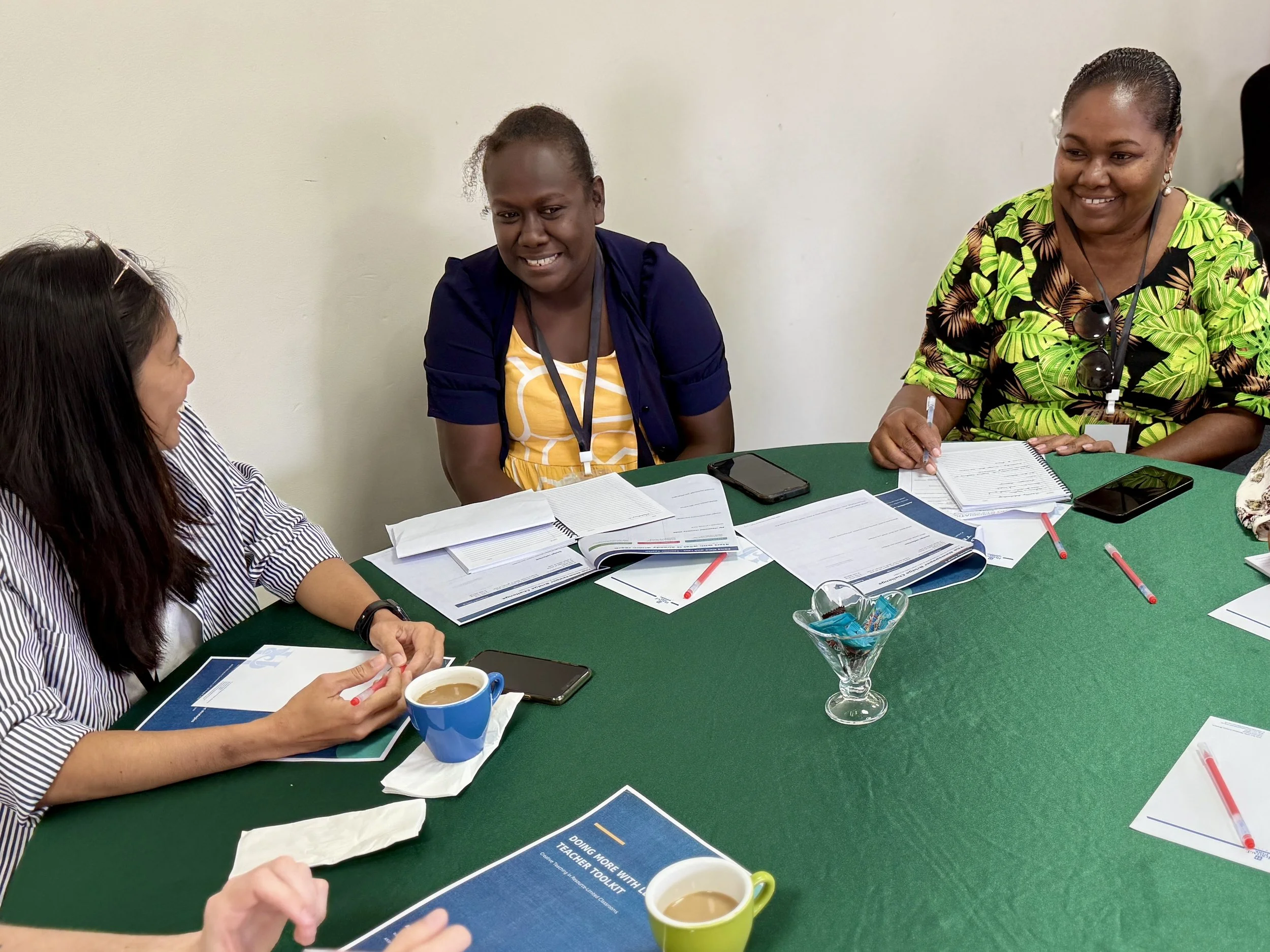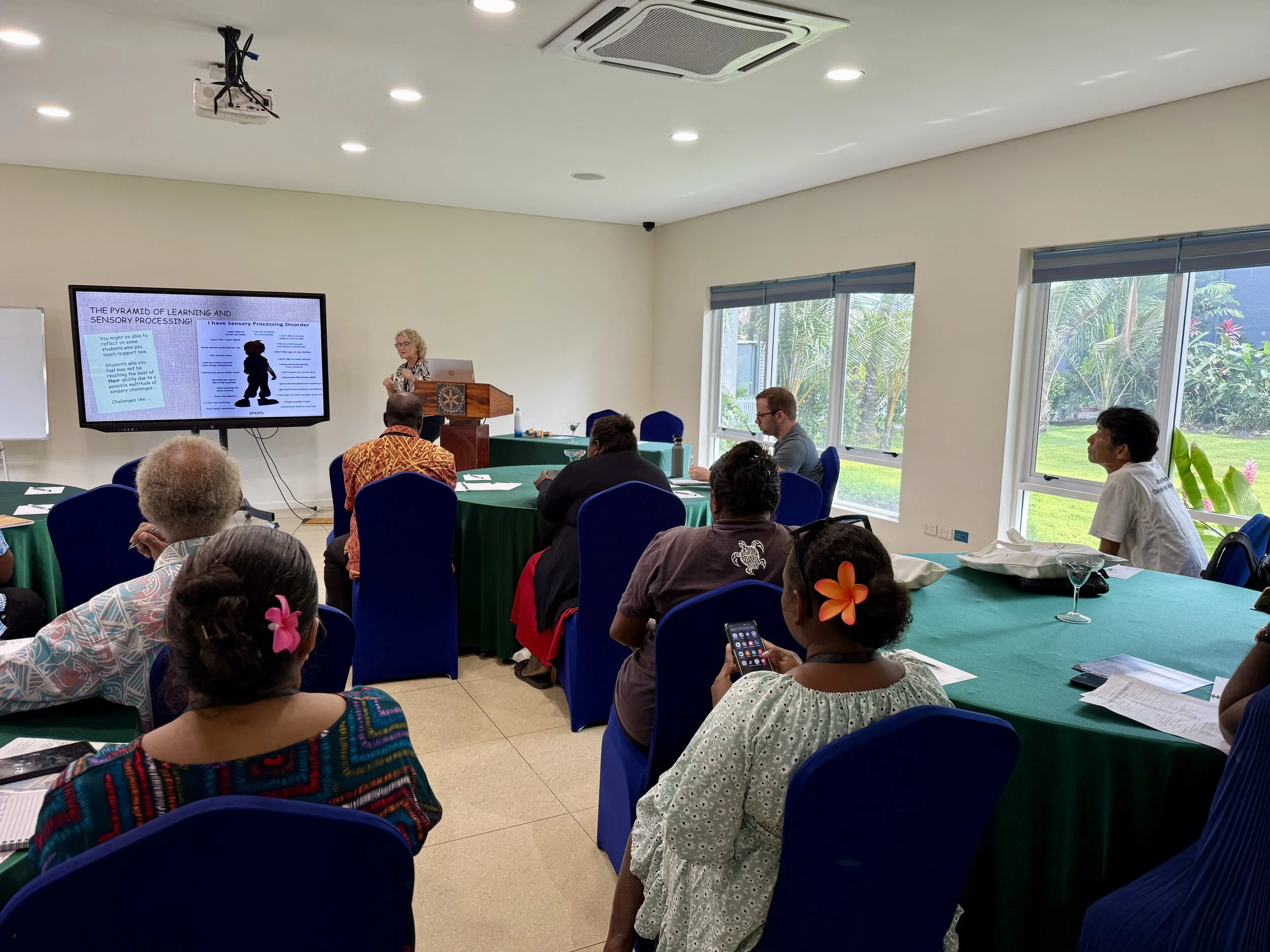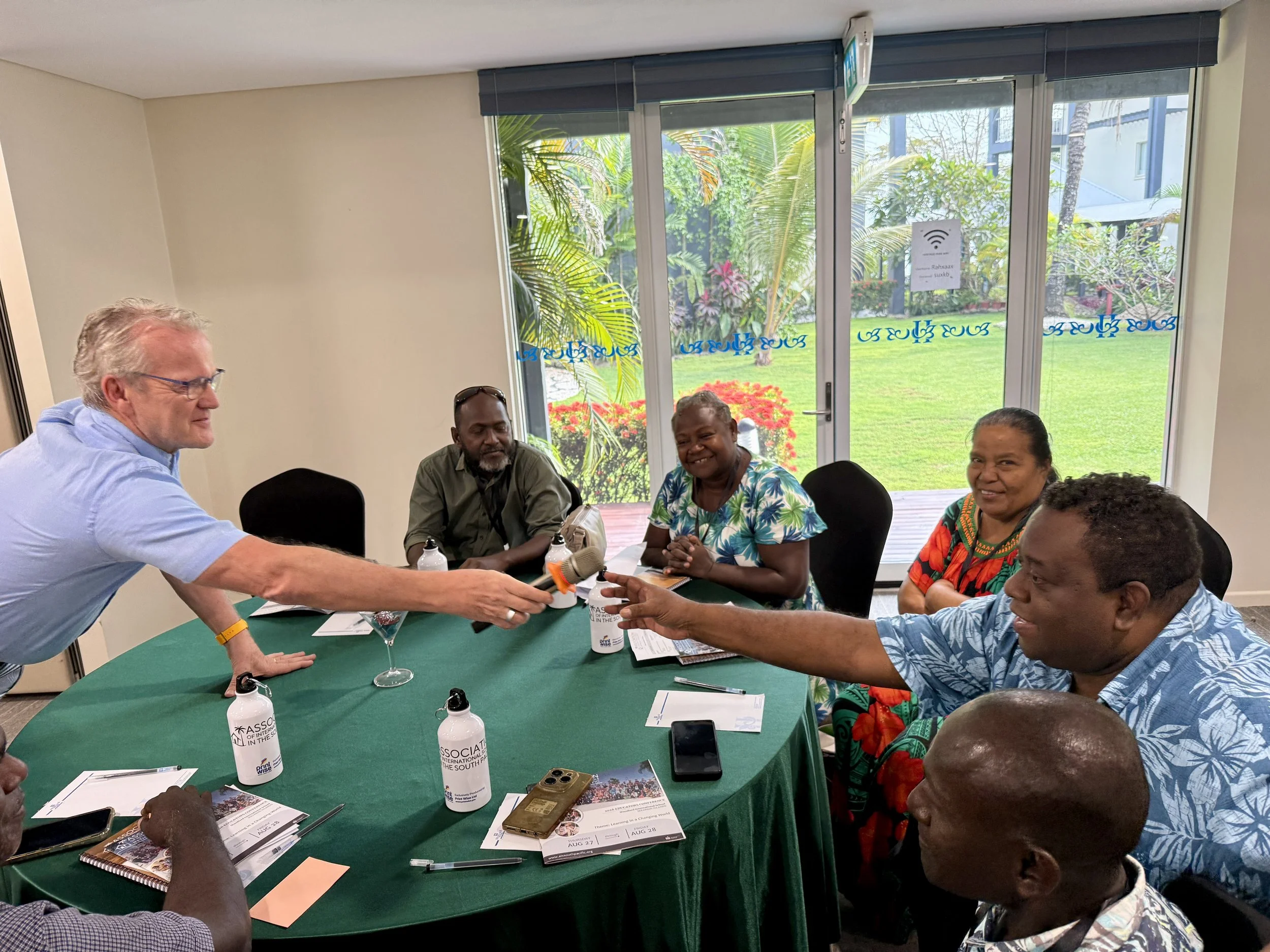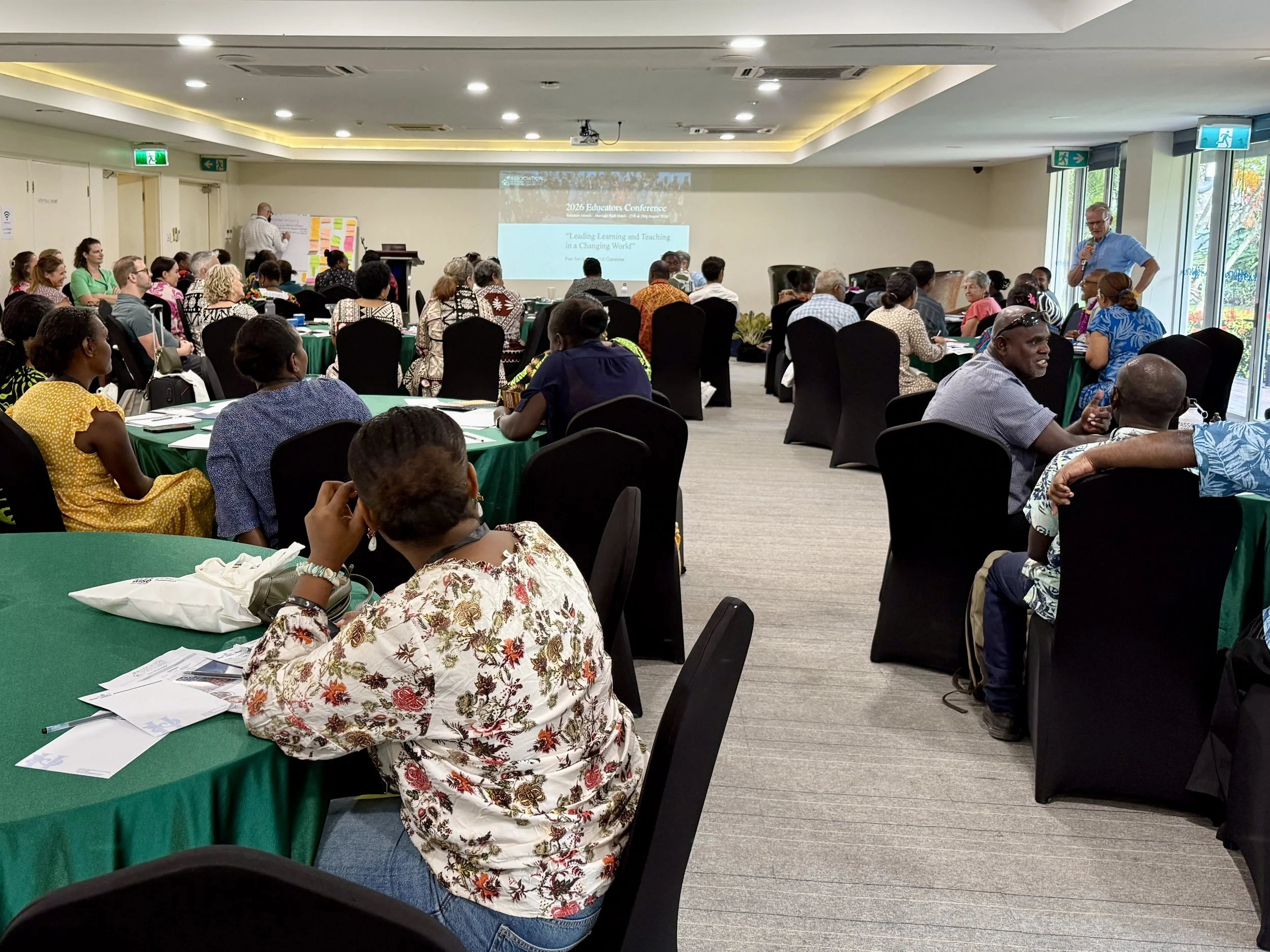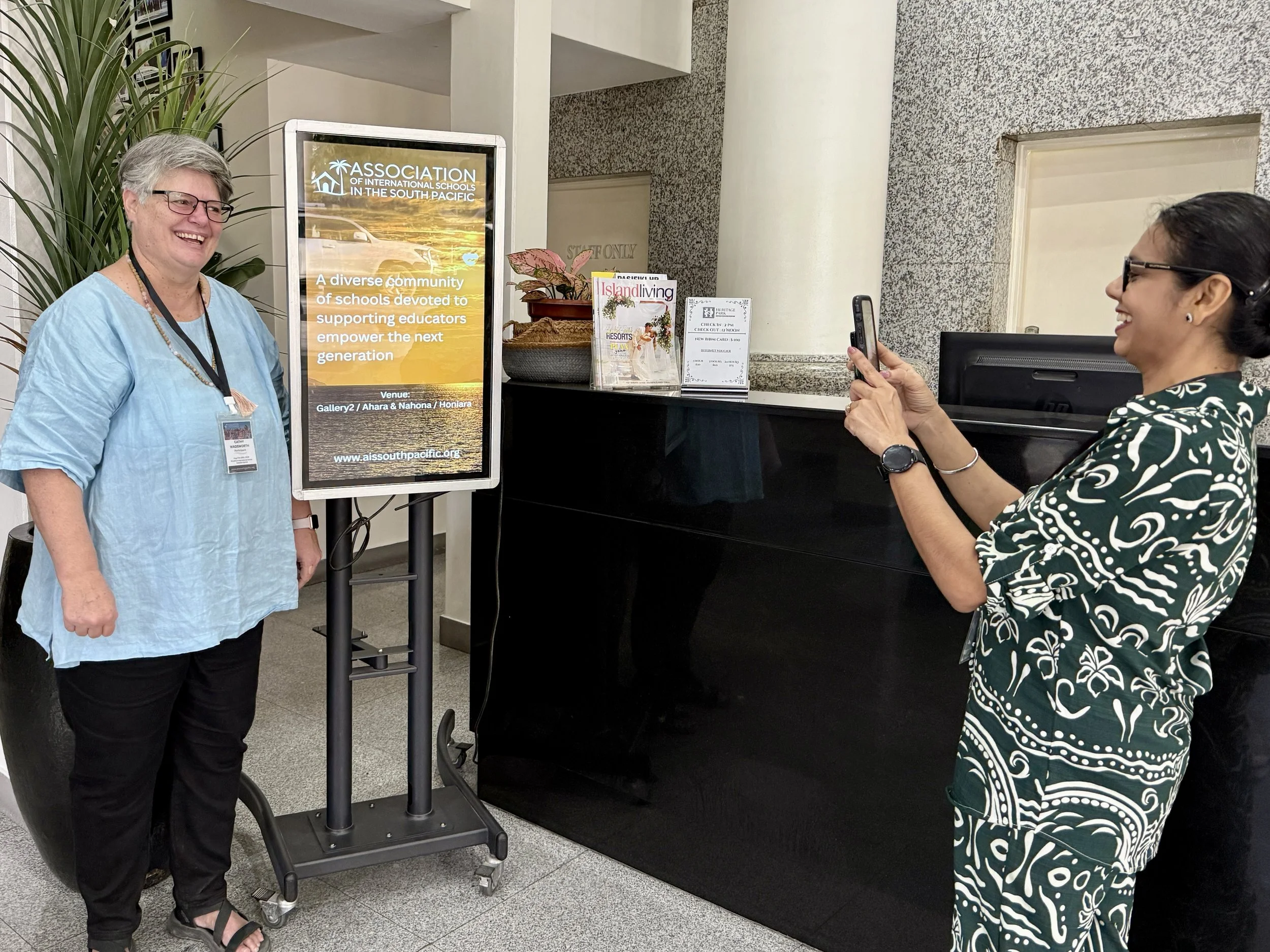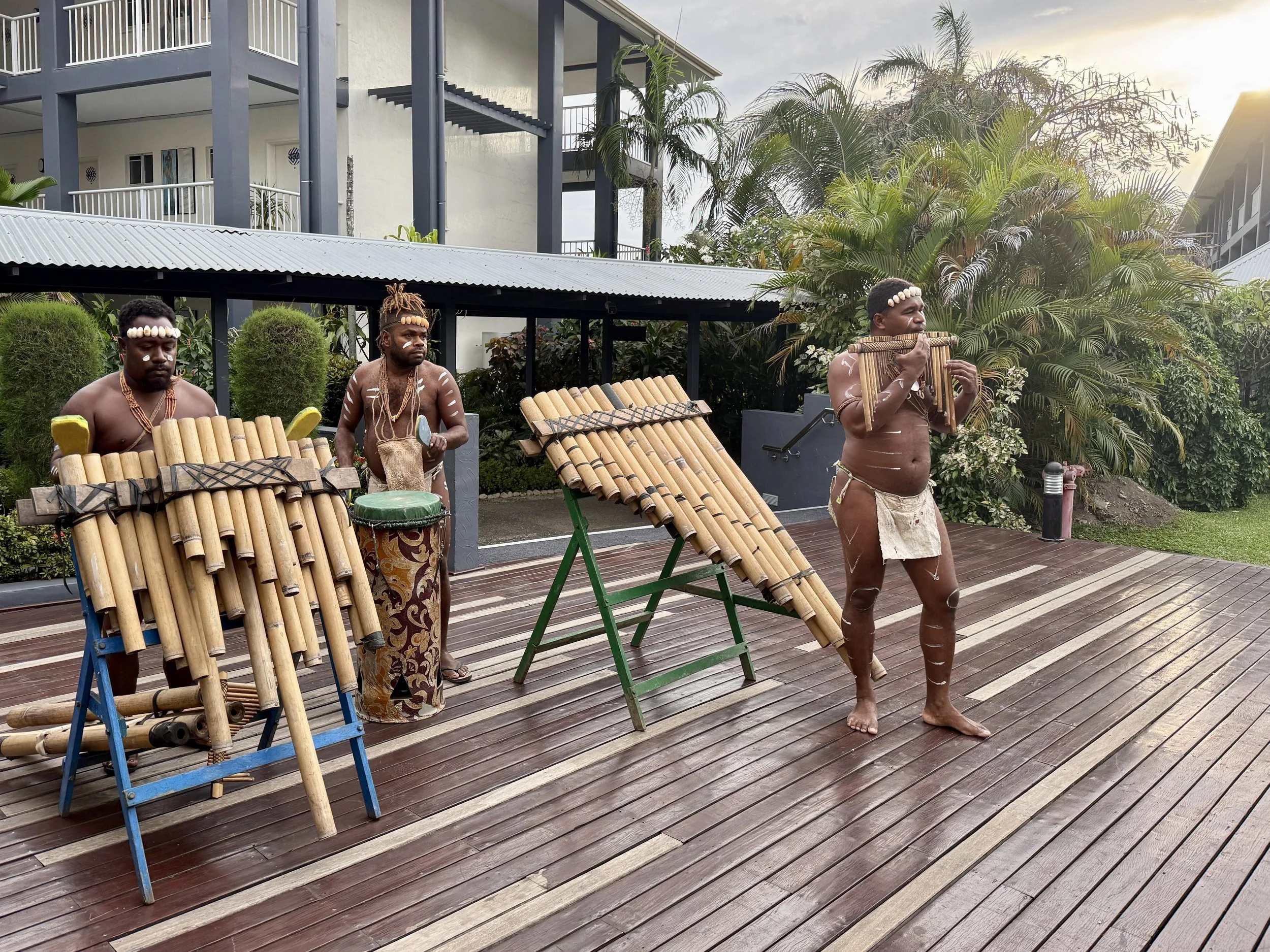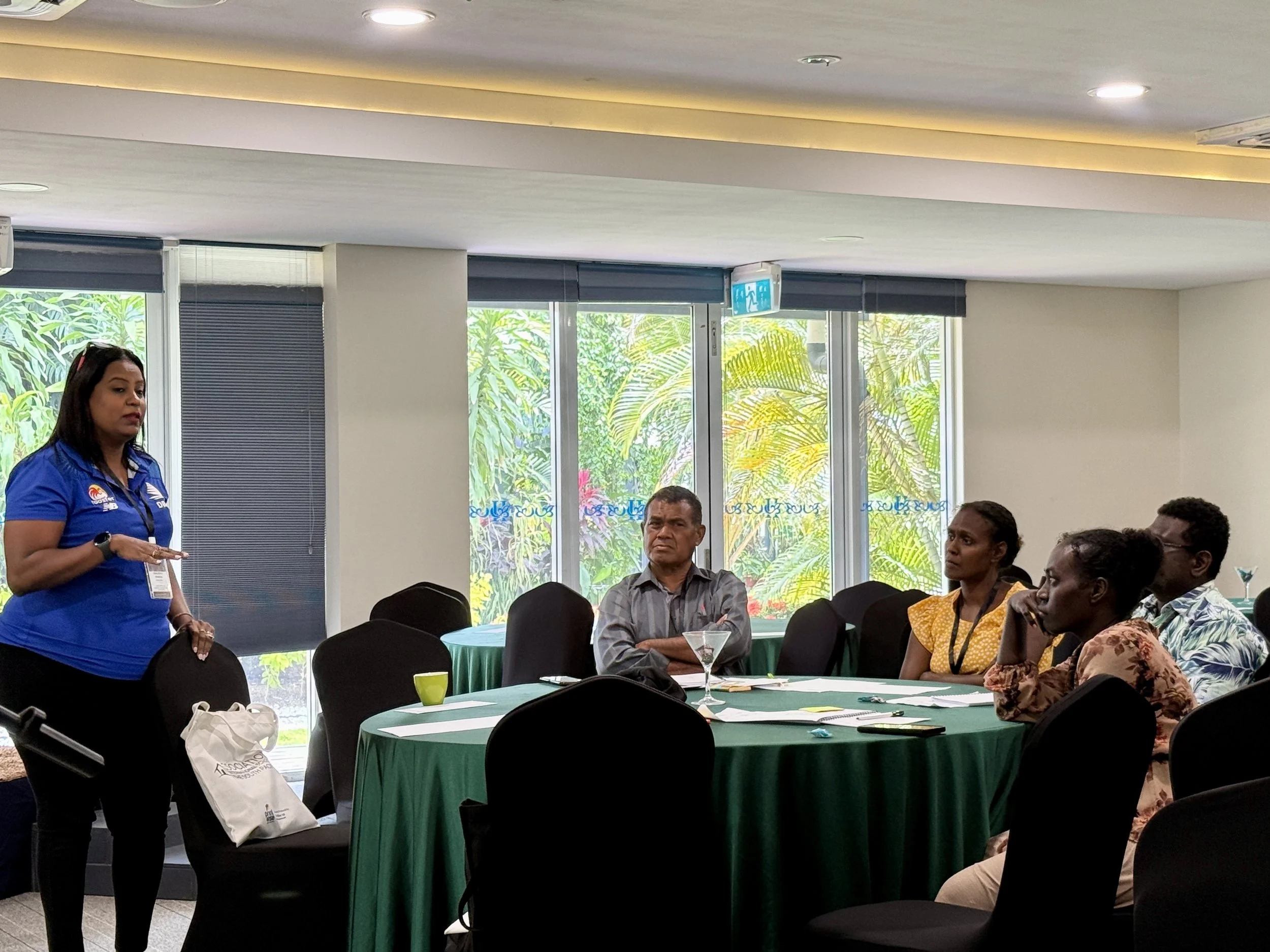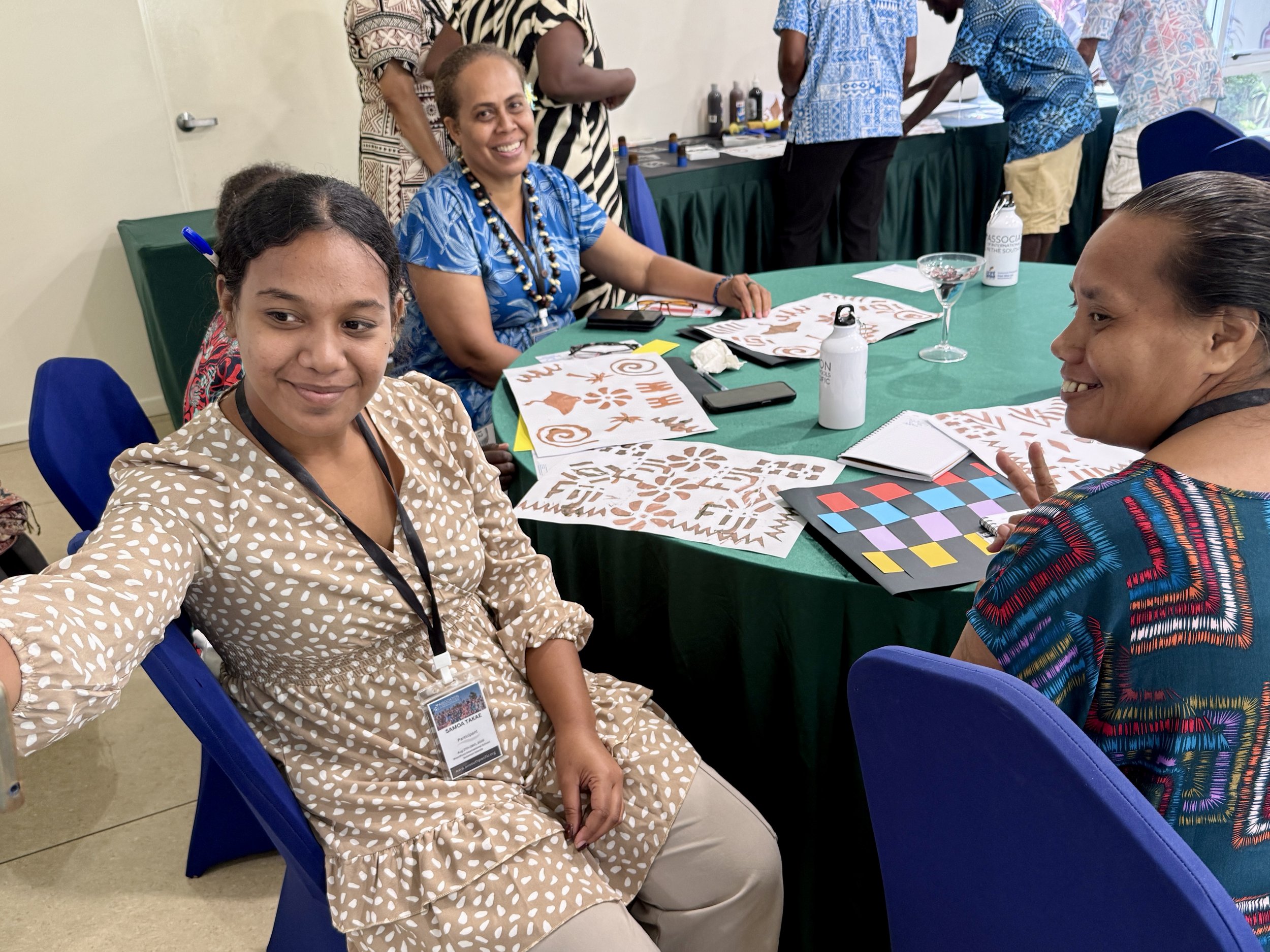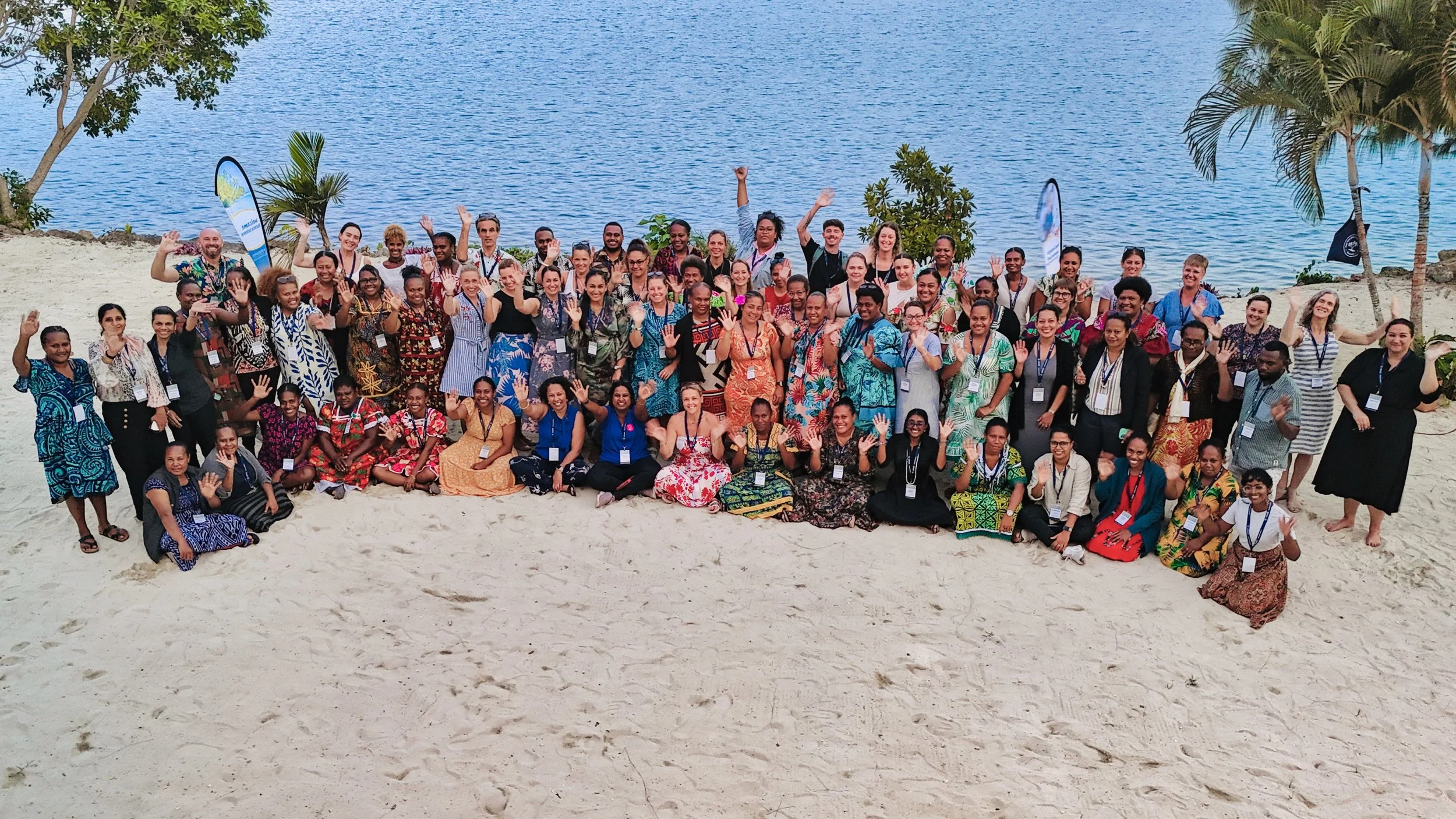
2026 Educators Conference
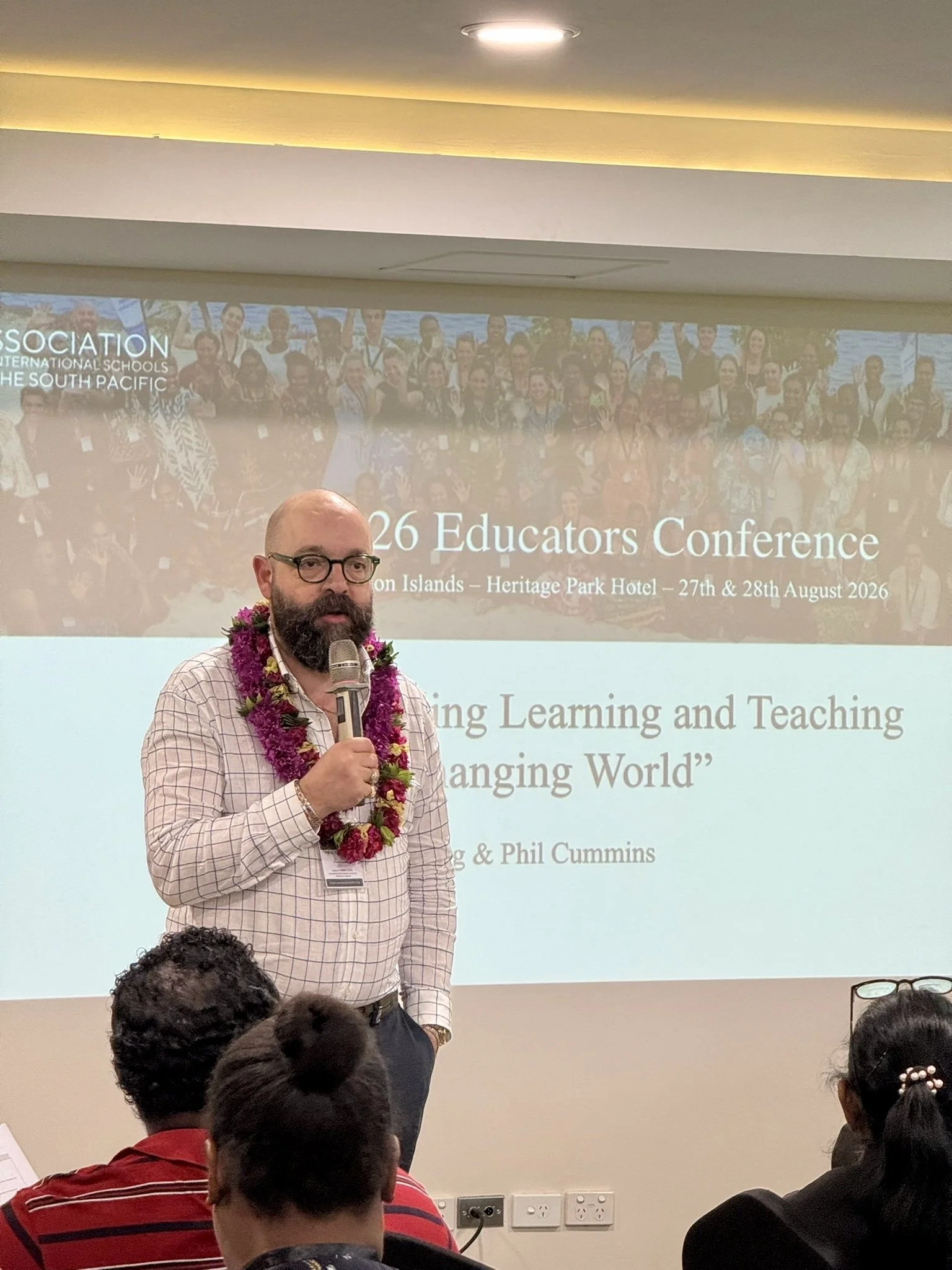
2026 Educators Conference
Thursday August 27th - Friday August 28th, 2026
Woodford International School, Solomon Islands
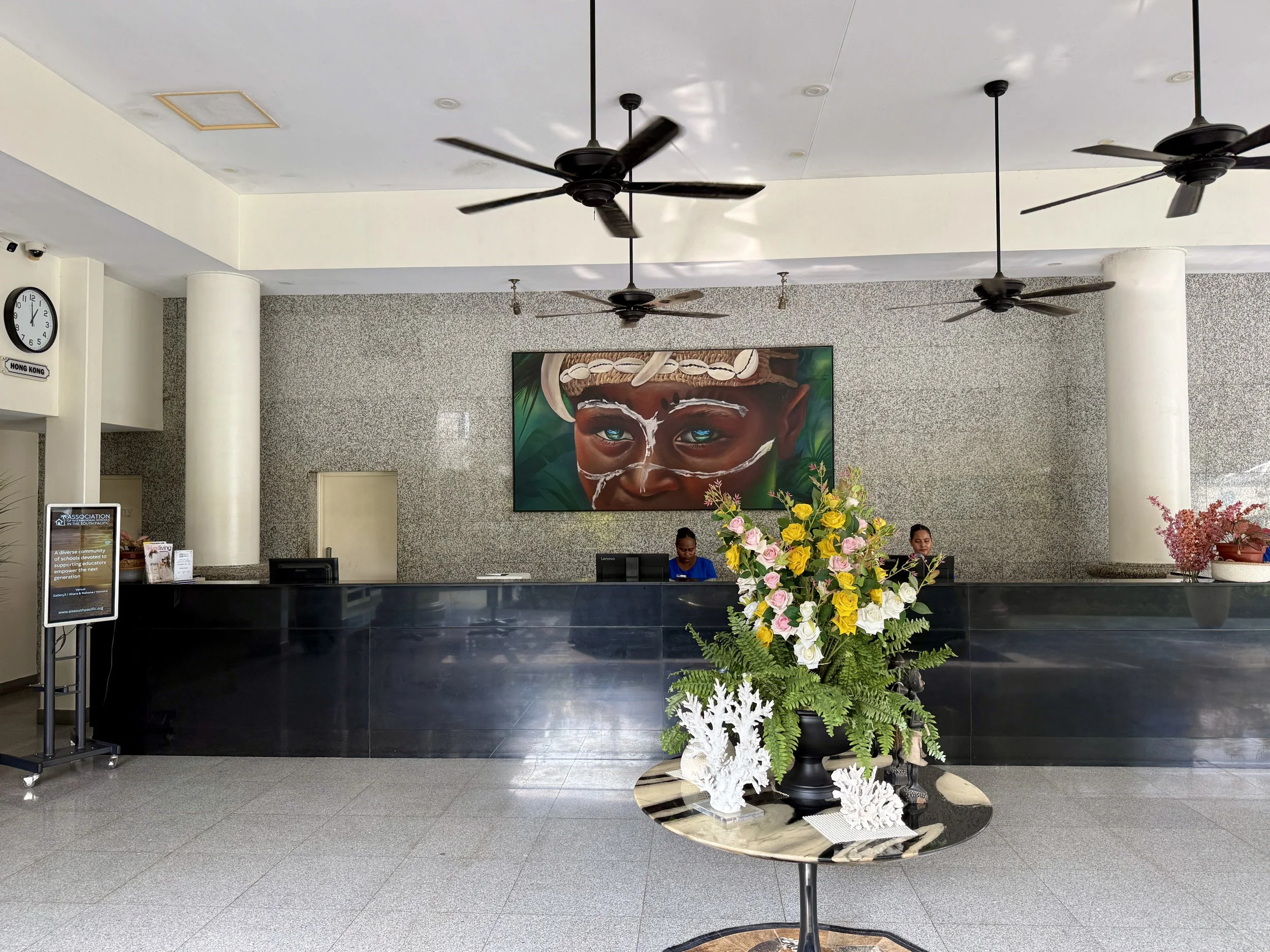
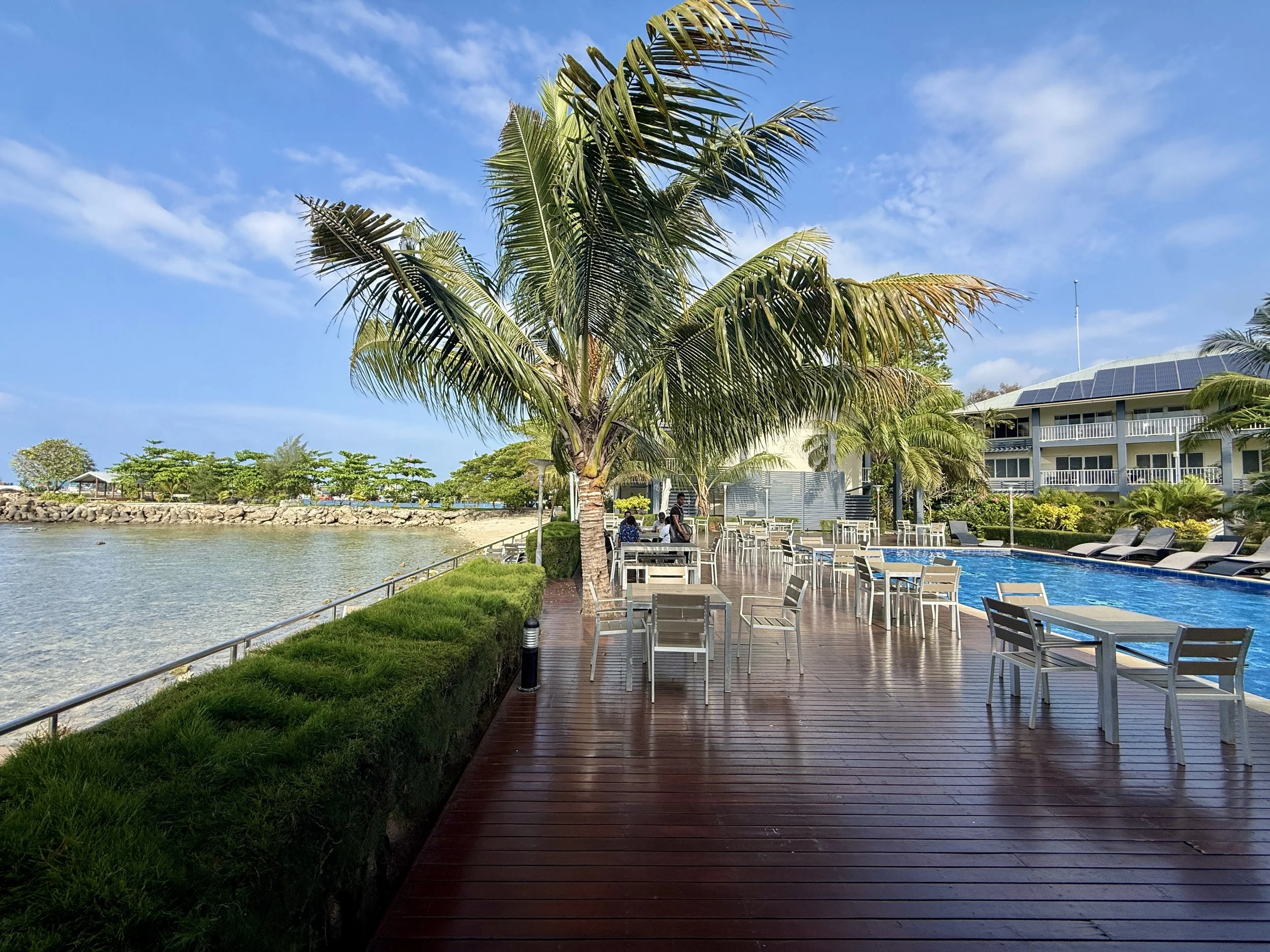
Heritage Park Hotel
Cost: Free
Flight & Accommodation Info Here
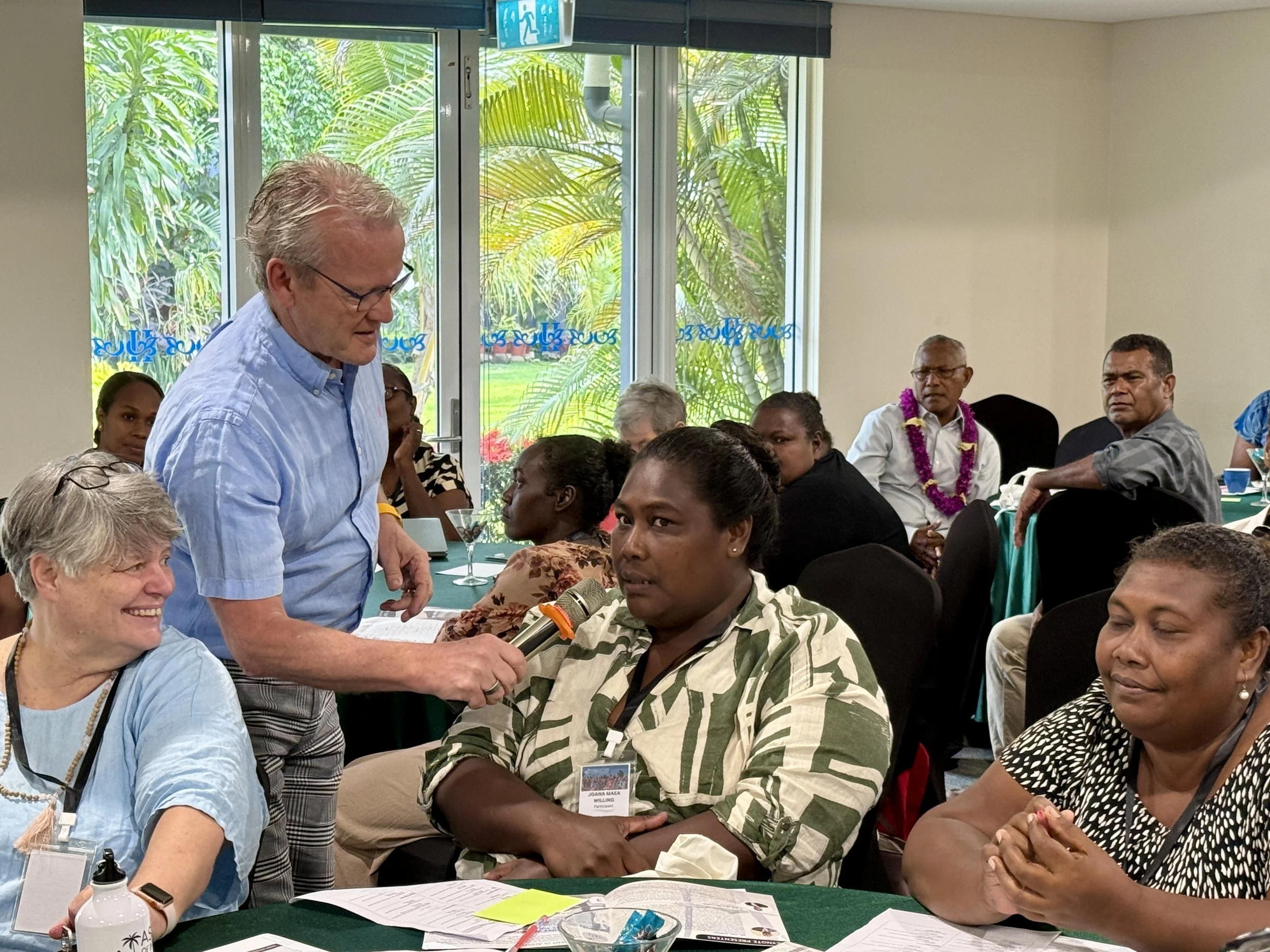
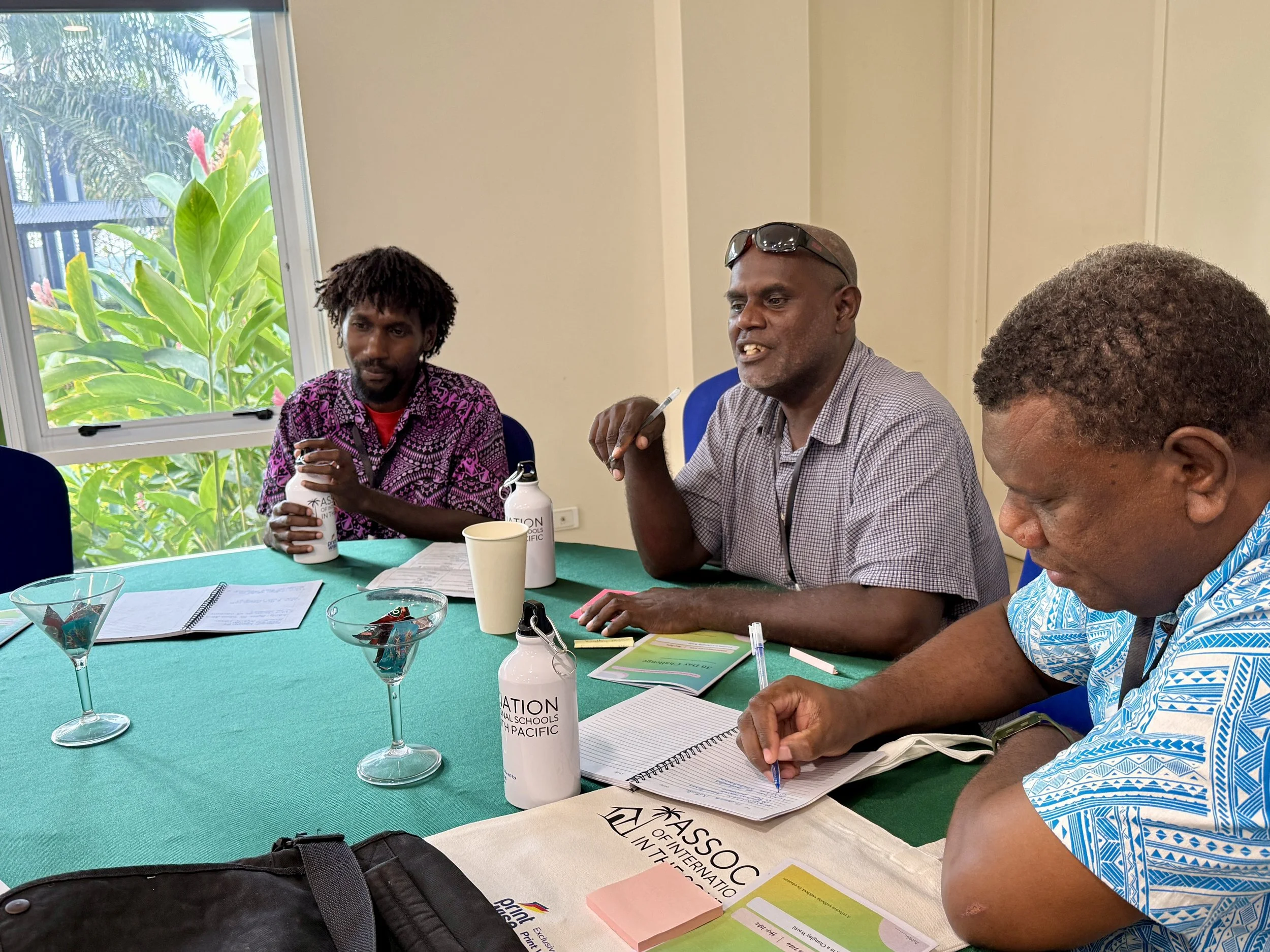
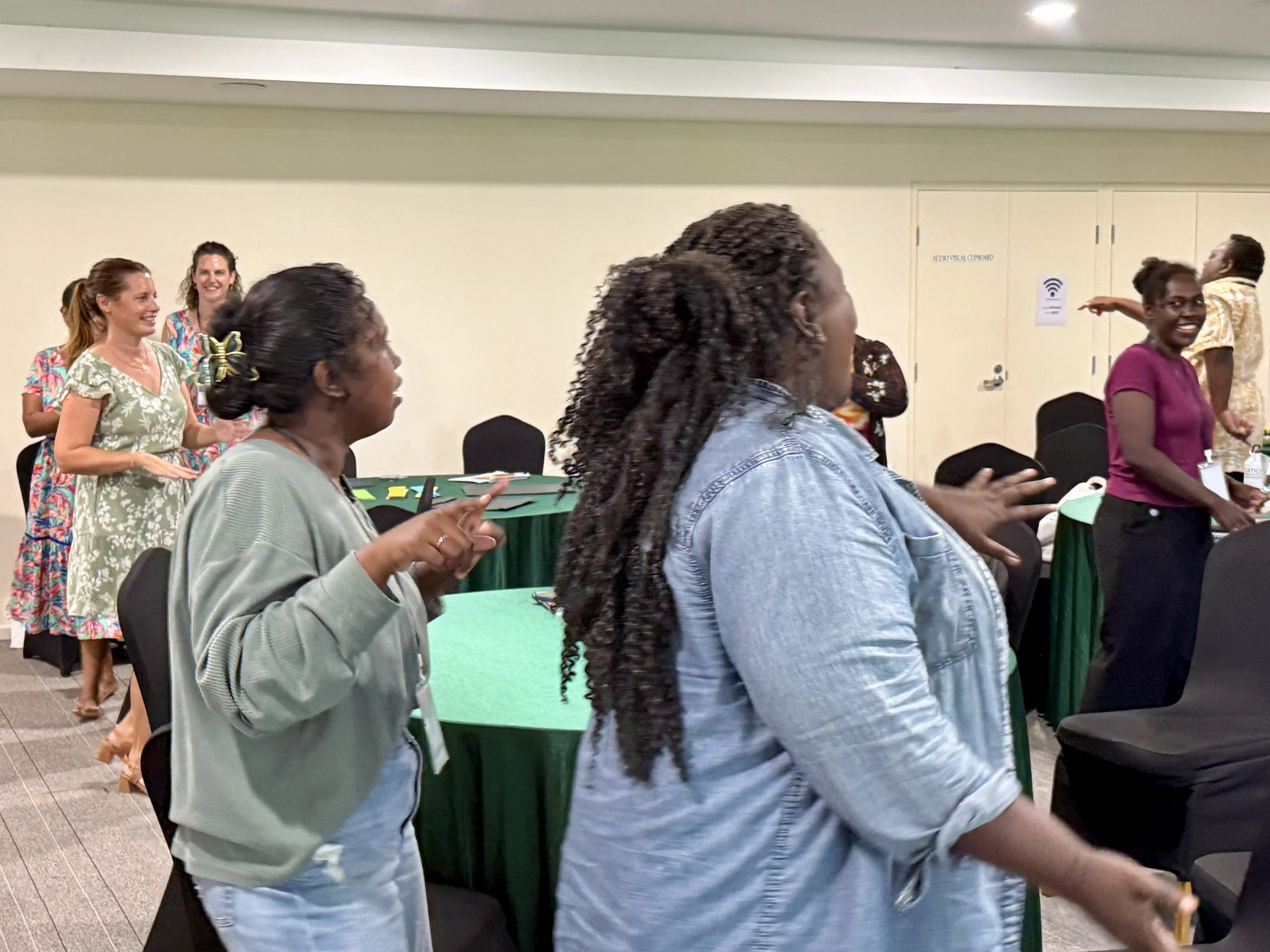
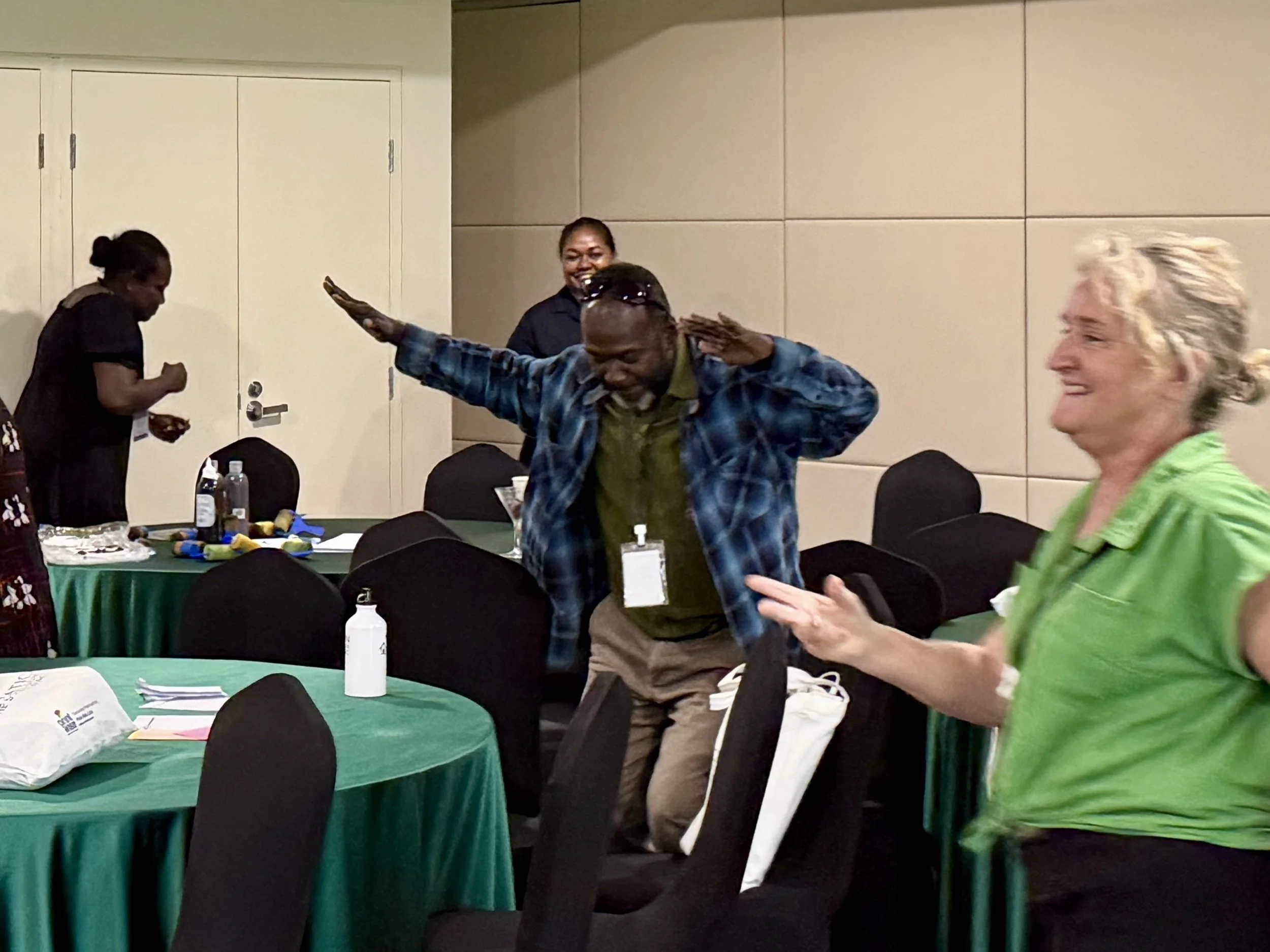
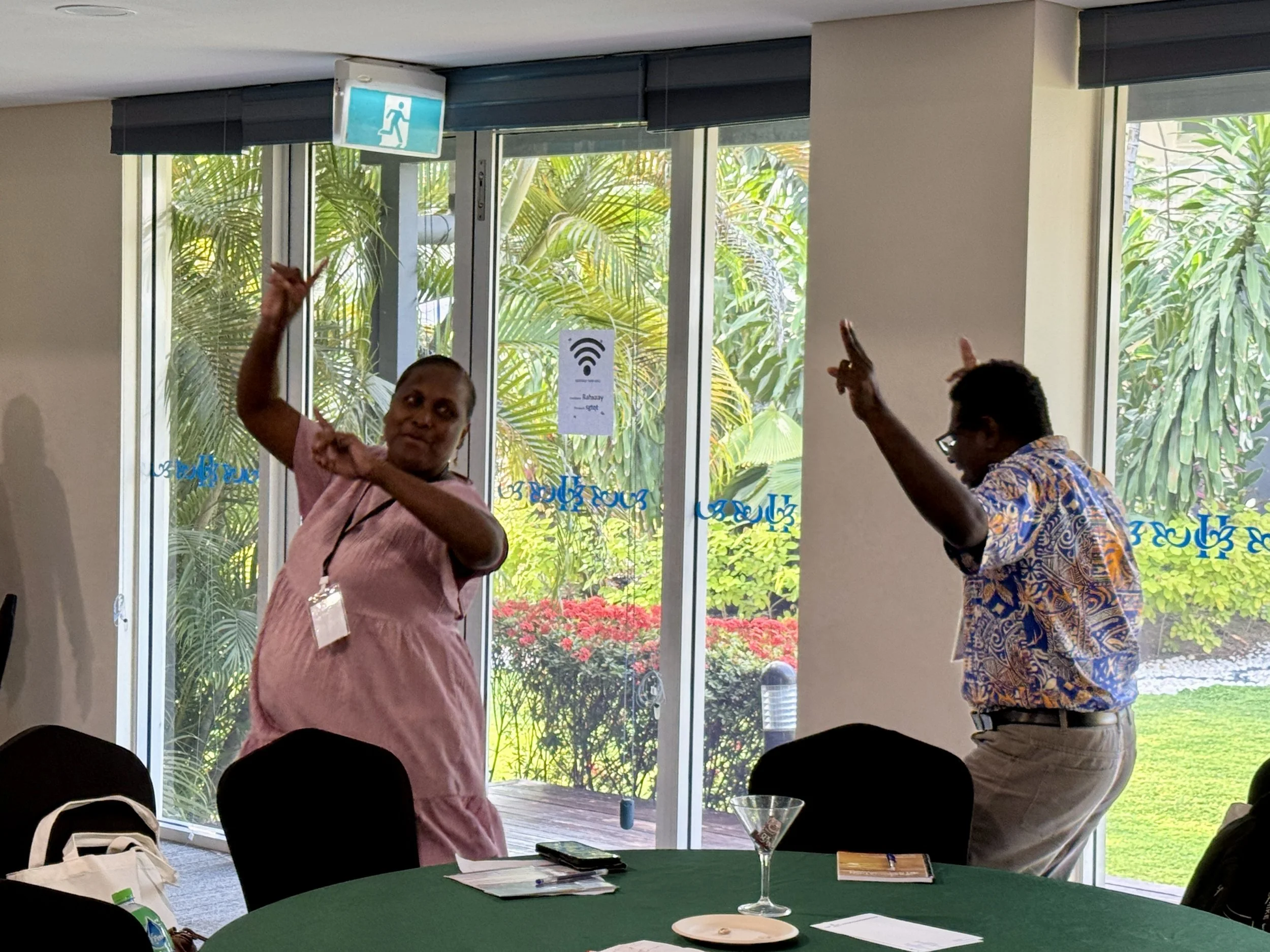
The Association of International Schools in the South Pacific (AISSP) hosts professional learning conferences based on the collaborative insight from member schools’ strategic needs identified, as well as current global trends in best practices in education.
THEME: Learning in a Changing World
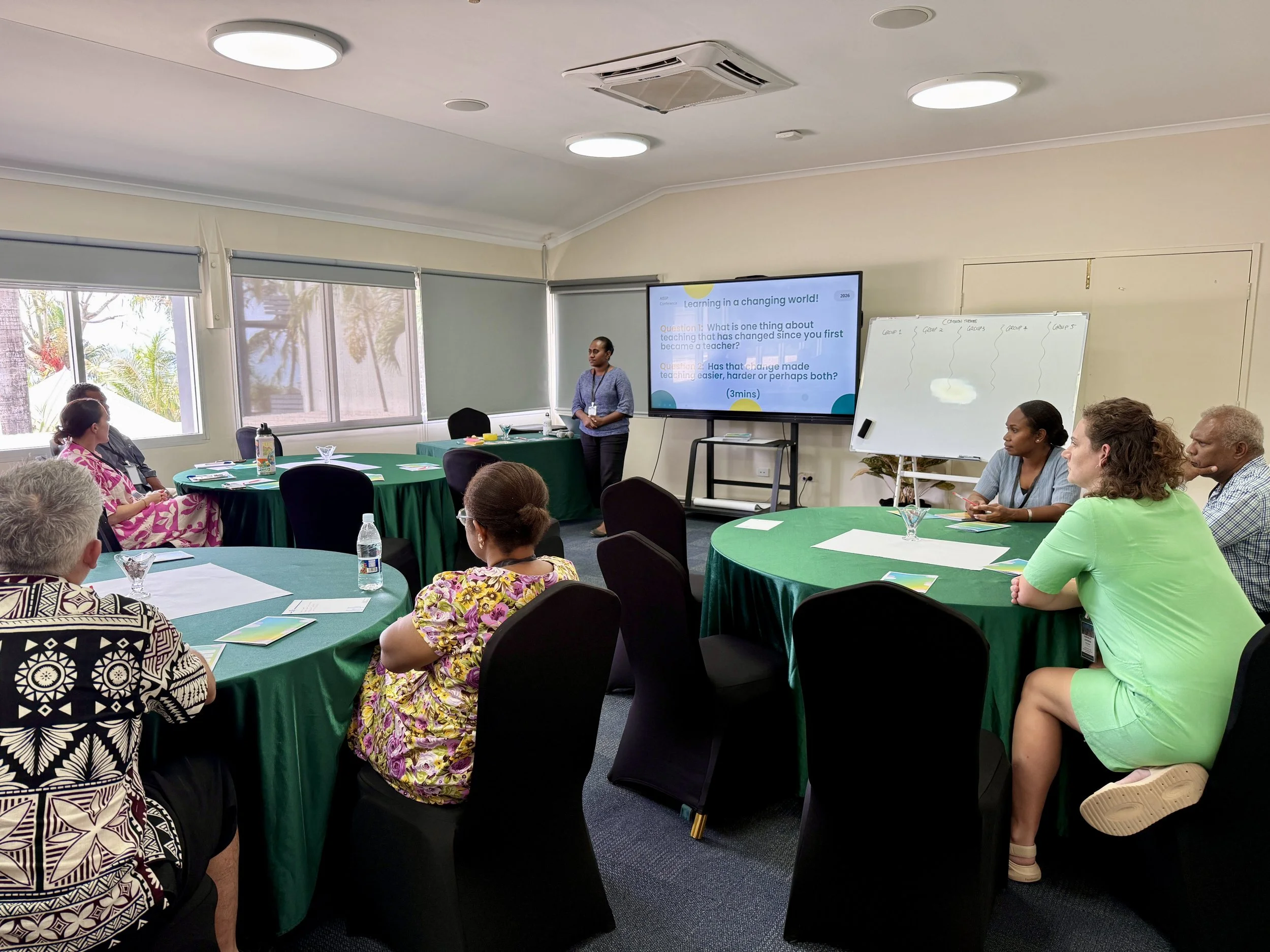
The Educators Conference 2026, themed “Learning in a Changing World,” brings together teachers, leaders, and community voices to explore how education can remain responsive, ethical, and grounded in our shared values. As emerging technologies and methodologies reshape classrooms, the 2026 conference will engage in thoughtful dialogue about the ethical use of AI and highlight inclusive practices that support diverse learners of all abilities, languages, and backgrounds, while also addressing how educators can adapt creatively to the realities of limited resources and shifting global demands. Framed within our Pacific cultural context, the conference honours relational ways of knowing, collective responsibility, and the wisdom of community, weaving these principles into conversations about innovation. Together, we will reimagine learning as resilient, culturally anchored, and future-focused—empowering educators and students to thrive in a world of continual change.
Keynote Presenters
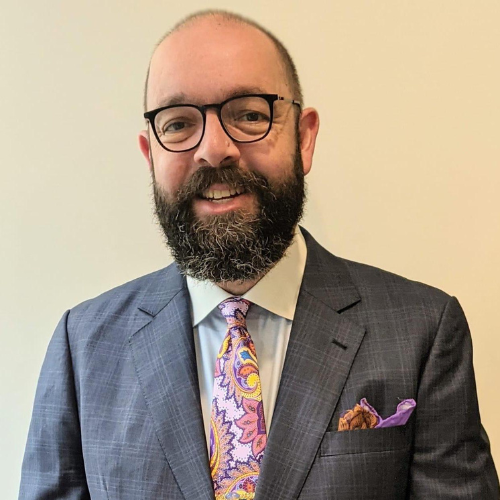
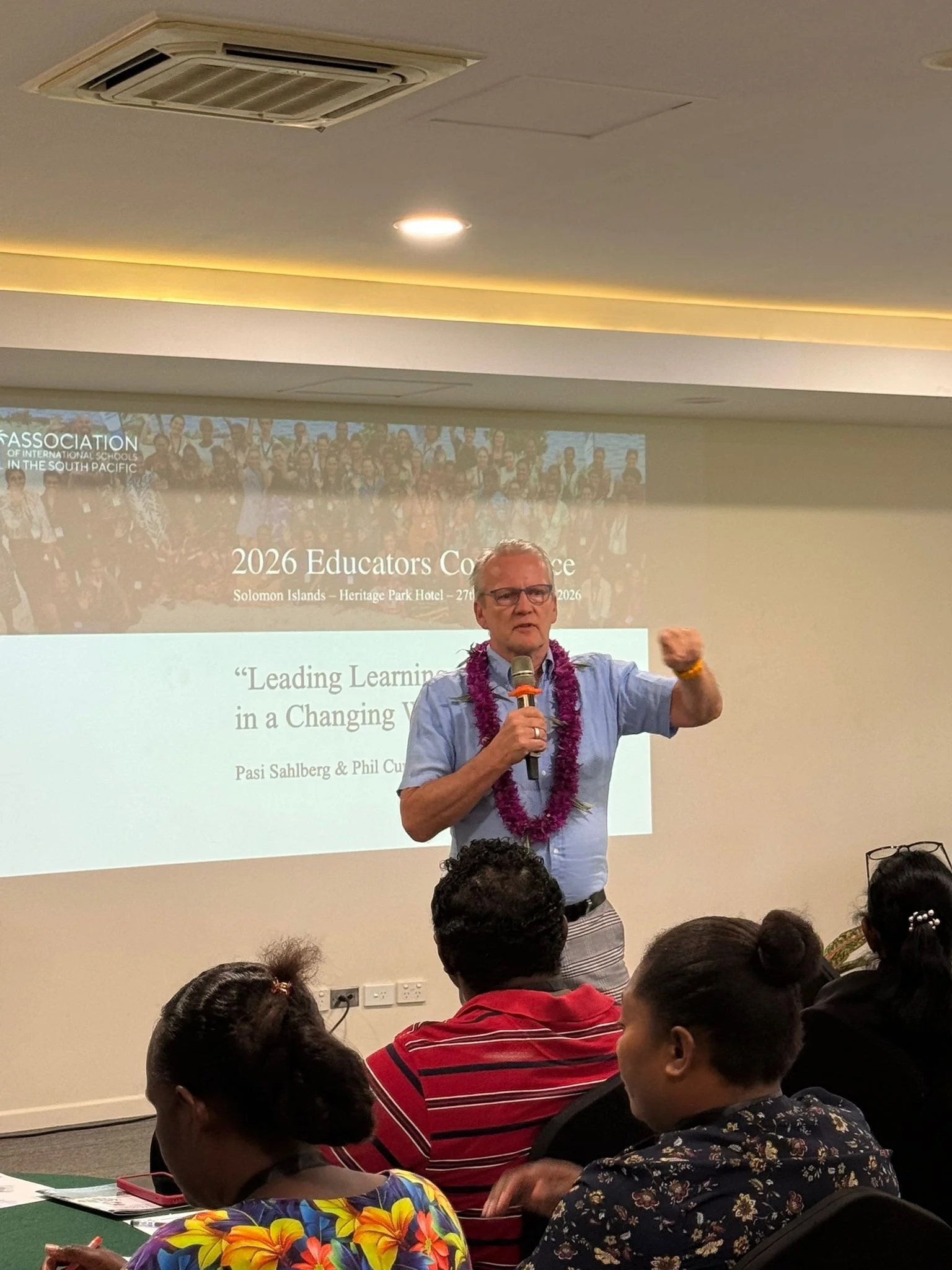
Dr. Phil Cummins
Professor Philip Cumins is an educator by trade and conviction. He is the Hooke Family Professor of Practice in Educational Leadership at the University of Sydney, which includes his role as the Founder and Director of the Sydney Character Initiative – Australia’s tertiary home for character education. He is the Founder and Managing Director of the CIRCLE Education Group including the global educational consulting agency a School for tomorrow. and its research institute CIRCLE - The Centre for Innovation, Research, Creativity and Leadership in Education. Phil is also Honorary Senior Fellow at the University of Melbourne, and has been awarded Fellowships by the Royal Society of Arts, the Australian Council for Educational Leaders (at national and state levels), the Teachers Guild of NSW, and the Institute of Managers and Leaders. Internationally recognised for his work in character education, boys' education and school leadership in Australia, the South Pacific, and beyond, Professor Cummins has led an extensive global educational research program for the past decade, lectured and spoken widely (including at Oxford University), and is the author of over thirty five books and numerous other publications in his original discipline of history, and in future-fit educational strategy, leadership, curriculum, pedagogy and assessment. Most recently, in 2022 he co-authored Game Changers: Leading Today's Learning For Tomorrow's World, and in 2025, he released the Dr Phil Cummins Character Education Series and A Journey, all published by Amba Press. In 2026, he has authored two books for Amba on character and boys’ education that will contribute a distinctively Australian perspective of excellence and equity to the international conversation in both areas. Phil is also host of the Game Changers Podcast which now exceeds 1,000,000 episode listens in 18 series across more than 75 countries globally.
Dr. Pasi Sahlberg
Professor Pasi Sahlberg is Finnish educator, teacher, and author. He has worked as a schoolteacher, teacher-educator, academic, and policymaker in Finland, and he has advised schools and education system leaders around the world. He served as a senior education specialist at the World Bank in Washington, DC, lead education specialist at the European Training Foundation in Torino, Italy, director general at the Finland’s Ministry of Education and Culture (CIMO), and visiting professor at Harvard University. He is a recipient of several awards for his lifelong service in education, including the 2012 Education Award in Finland, the 2014 Robert Owen Award in Scotland, the 2016 Lego Prize in Denmark, the 2017 Rockefeller Foundation's Bellagio Resident Fellowship in Italy, the 2021 Dr Paul Brock Memorial Medal in Australia, and the 2025 Global Educator Award in Malaysia. His book “Finnish Lessons: What Can the World Learn from Educational Change in Finland” won the 2013 Grawemeyer Award in the United States for an idea that has potential to change the world. His most recent books include "Let the Children Play: How more play will save our schools and help children thrive" (2019, with William Doyle), "Finnish Lessons 3.0: What Can the World Learn from Educational Change in Finland” (2021), and "In Teachers We Trust: The Finnish way to World-Class Schools" (2021, with Tim Walker). He is currently Professor in Educational Leadership at the University of Melbourne, Australia. Pasi lives in Melbourne with his wife and two sons.
Choice of Breakout Workshop Sessions
-
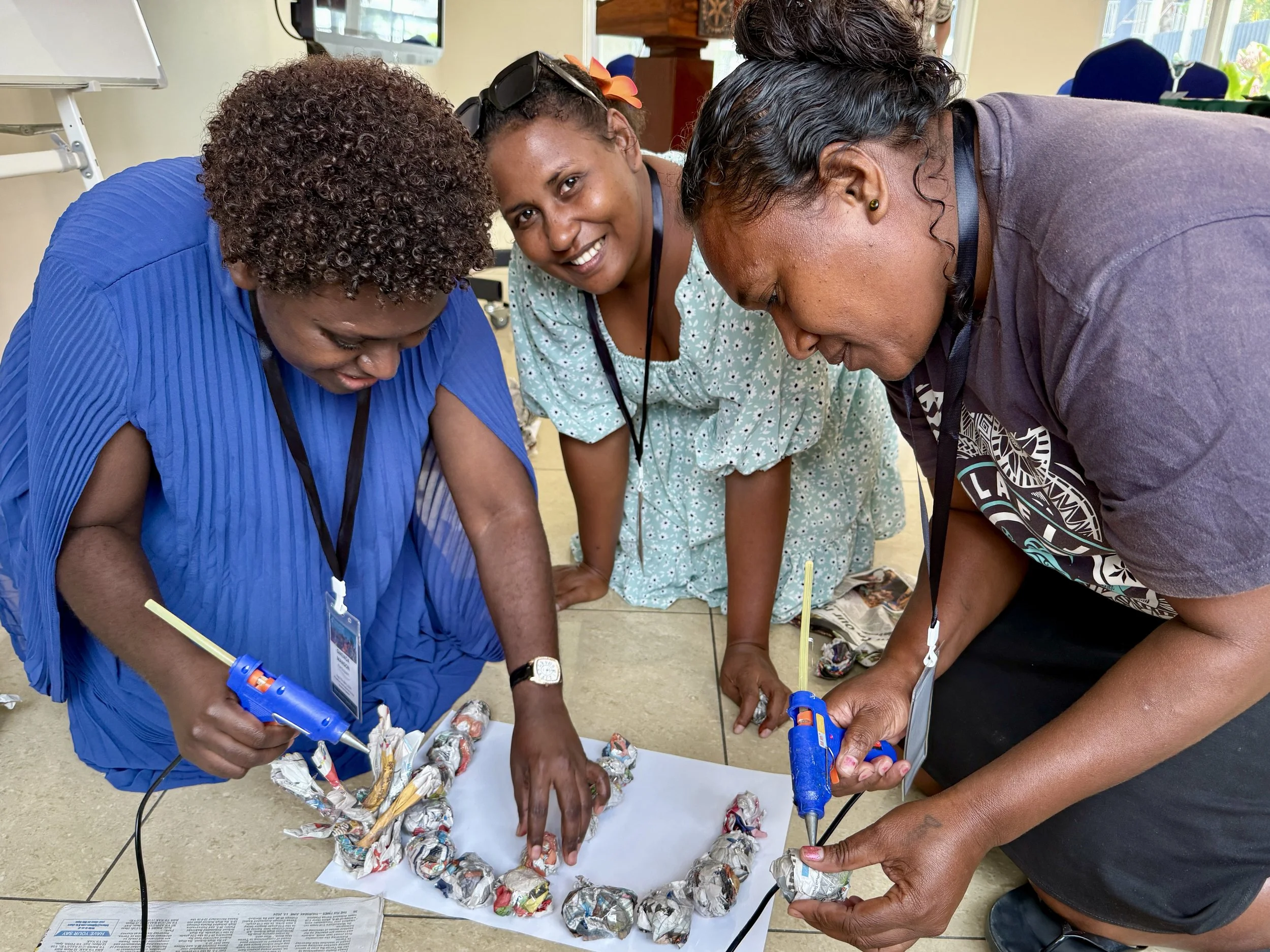
This session explores practical strategies for delivering meaningful and engaging learning experiences in resource-limited classrooms. Drawing from my experience in STEAM education, outdoor/camp-based learning, and the use of Open Educational Resources (OER), I will share how teachers can use locally available materials, low-tech approaches, and student-centered activities to promote creativity, collaboration, and critical thinking. The session will be interactive, with simple hands-on activities and examples that teachers can easily adapt to their own contexts.
-
The learners that we have come from diverse backgrounds and their linguistic repertoires shape who they are as individuals. Their cultures are embedded in the languages that they speak. Hence, in order to teach them holistically in a changing world shaped by globalization, digital technology, migration and climate change, Indigenous language education must equip learners to live in modern societies without losing their cultural roots. Education must support multilingual or plurilingual competence and at the same time, help learners navigate confidently between indigenous and global contexts.
This break out session will be more of an awareness on the importance of preserving Indigenous Languages through education in a contemporary society. -
Every school has more priorities than it can act on. When teams try to tackle everything at once, progress stalls and effort gets scattered. This is especially true when you're working with a small team that has broad responsibilities.
In this workshop, you'll work through two practical steps that create clarity: Diagnosing the most important challenge your school is facing right now; & Designing a clear response that your team can actually follow through on.
Bring a challenge or priority your school is working on. You'll use simple tools, compare thinking with peers from other schools, and leave with what you need to take the next step. -
This session engages educators in a structured sequence of activities designed to support both wellbeing and professional growth within the theme Learning in a Changing World. It begins with an interactive icebreaker to build connections, followed by a Talanoa circle where participants discuss real classroom challenges such as diverse learners, limited resources, and the impact of emerging technologies like AI. Teachers then work in small groups to design a short lesson using simple materials, encouraging creativity and practical problem-solving. A fun, team-based obstacle course provides a wellbeing break while symbolising the challenges educators navigate daily. The session concludes with a guided reflection, where participants identify one strategy, one challenge, and one actionable step to implement in their own teaching. By the end, educators will have shared experiences, developed practical ideas, and strengthened their ability to adapt confidently in a changing educational landscape.
-
This session brings educators together to explore simple and practical ways to integrate Service as Action into everyday classroom teaching which can be called service learning. Participants will share ideas, make connections to their own subjects, and design learning experiences that link inquiry with real-world action. By the end of the session, teachers will leave with ready-to-use strategies to help students apply their learning in meaningful ways and make a positive impact in their communities.
-
Pacific communities have always known that knowledge is built together and not alone. This session explores how to bring that truth into teaching, moving beyond individual assessment toward learning where student voice, local wisdom, and collective thinking drive the learning.
-
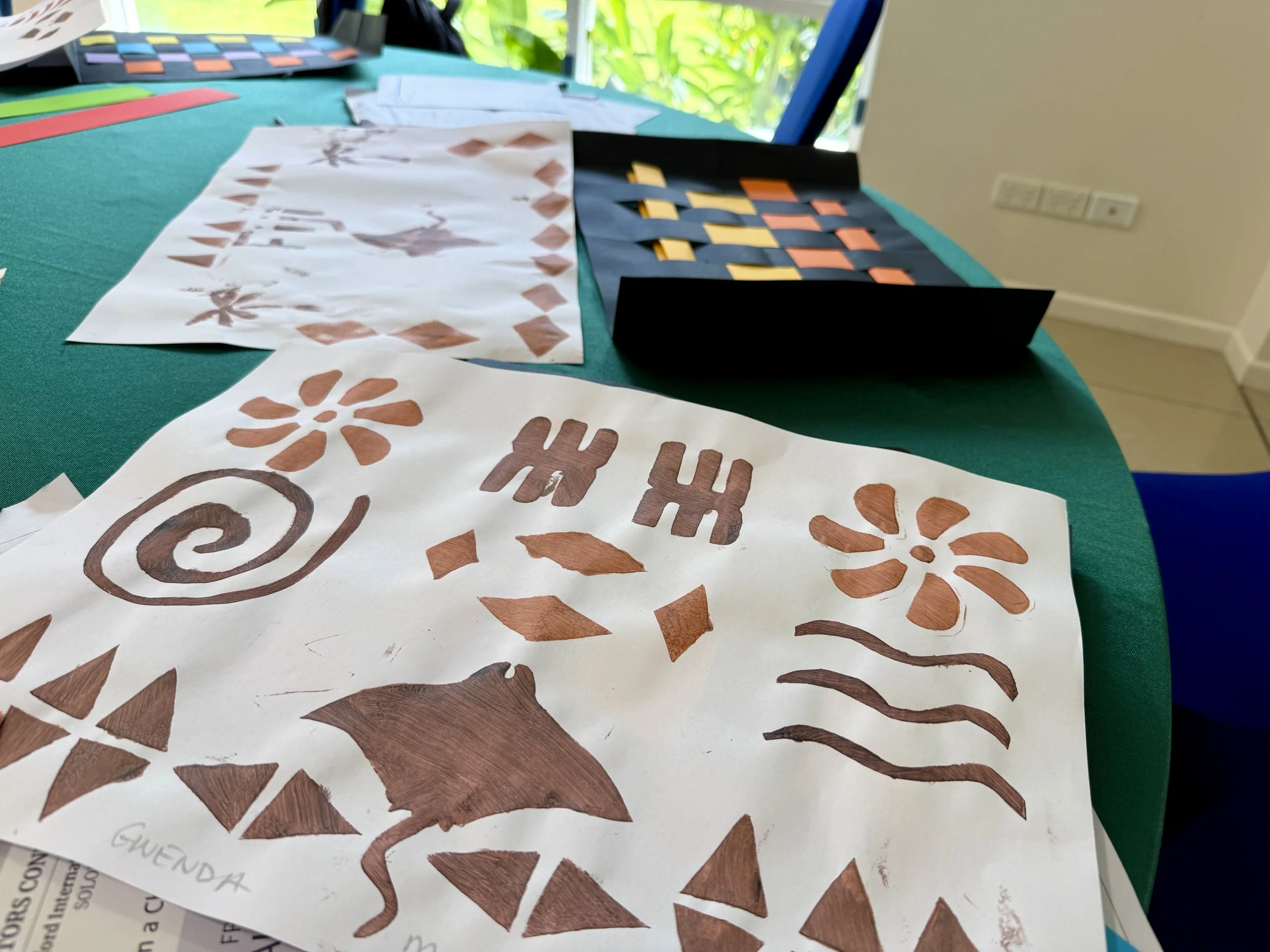
This session will be about how to integrate visual art into literacy and numeracy. It will highlight simple strategies to deepen understanding and boost engagement. Teachers will gain practical ideas they can apply immediately in the classroom.
-
Students do not enter the maths classroom on an equal footing. What we do around our maths lessons can make a powerful difference.
In this workshop, we’ll explore practical, high-impact ways teachers can build opportunities for consolidation and application throughout the school day to help all students build deeper understanding, confidence, and enjoyment in mathematics. -
The Ocean Programme reimagines "Learning in a Changing World" by anchoring future-focused innovation in the deep-rooted cultural context of the Pacific. By weaving Ocean Literacy across primary and secondary curricula, we engage students in local and global issues through authentic, hands-on experiences that bridge traditional wisdom with scientific knowledge, moving beyond the classroom to drive meaningful action. This is scaffolded by the Ocean Passport, a resilient extension tool that tracks skill progression and ocean competency for Years 1–8, before transitioning to student-led ocean projects in Years 9–10 that address real-world challenges. Our annual Ocean Conference connects local schools to share collective responsibility and relational ways of knowing, ensuring students are not just spectators of change but culturally anchored leaders in a shifting world.
-
This workshop offers a gentle but purposeful space to rethink student leadership as something grown through connection, trust, and shared responsibility. In a changing world, our role is not just to guide learning, but to nurture young people who feel confident to lead, contribute, and care for those around them.
Participants will reflect on authentic examples of student leadership within their own schools, followed by a short exploration of how these practices can be strengthened and extended in today’s context. They will then engage in a collaborative case study, working in small groups to design practical, low-resource leadership initiatives that connect students with their communities.
Grounded in Pacific values of community and belonging, this session explores how every student can find and use their voice in meaningful ways. -
The “parking lot” concept in education is a very practical and effective classroom management instructional strategy. It is designed to capture learning sparks that occur during a lesson and to be resolved later. This interactive workshop explores the Parking Lot strategy to enhance student engagement and learning in the classroom.
-
The repetition method of learning that allows students to encounter key information multiple times to move from short term recall into long term memory.
I would like to link this to the use of digital technology as well as traditional learning methods and how they can be effectively used together. -
This breakout session explores how language acquisition equips learners with the communication, intercultural understanding, and adaptability needed to succeed in a rapidly changing world. Participants will discover practical strategies, digital tools, and engaging classroom approaches that connect language learning to real-world global challenges.
-
Explore practical and meaningful ways to create inclusive learning environments where every student feels valued, supported, and able to succeed. Through real-world strategies and reflections, it highlights how inclusion is built through relationships, responsive teaching, and a strong sense of belonging for all learners.
-
Our world is moving fast. The game of life is changing around us and our school communities need us to shift the game of school to match the volume, pace and intensity of global patterns in social, economic and technological development. In the South Pacific and beyond, we need leaders who are themselves game changers. What might be the capabilities of game changing leaders in education? Professor Phil Cummins will lead you through a detailed reflection on your purpose and practice, equipping you with a plan to take the big step forward and up as leader in your school and community.
-
How building a sense of wellbeing in the classroom can strengthen relationships, contribute to collaboration and support learners in the changing world of education.
-
In a changing world, inclusion within a Pacific context, means drawing on the wisdom of community. It means embracing change while still holding on to the deeply imbedded customs of the past. It means being creative, innovative yet traditional. While at all times remembering the why? Remembering the RAWA KAA.
-
![]()
Platinum Plus Sponsor
-
![]()
Platinum Plus Sponsor
-
![]()
Platinum Sponsor
-
![]()
Platinum Sponsor
-
![]()
Platinum Plus Sponsor
-
![]()
Gold Sponsor
-
![]()
Gold Sponsor
-
![]()
Gold Sponsor
-
![]()
Gold Sponsor







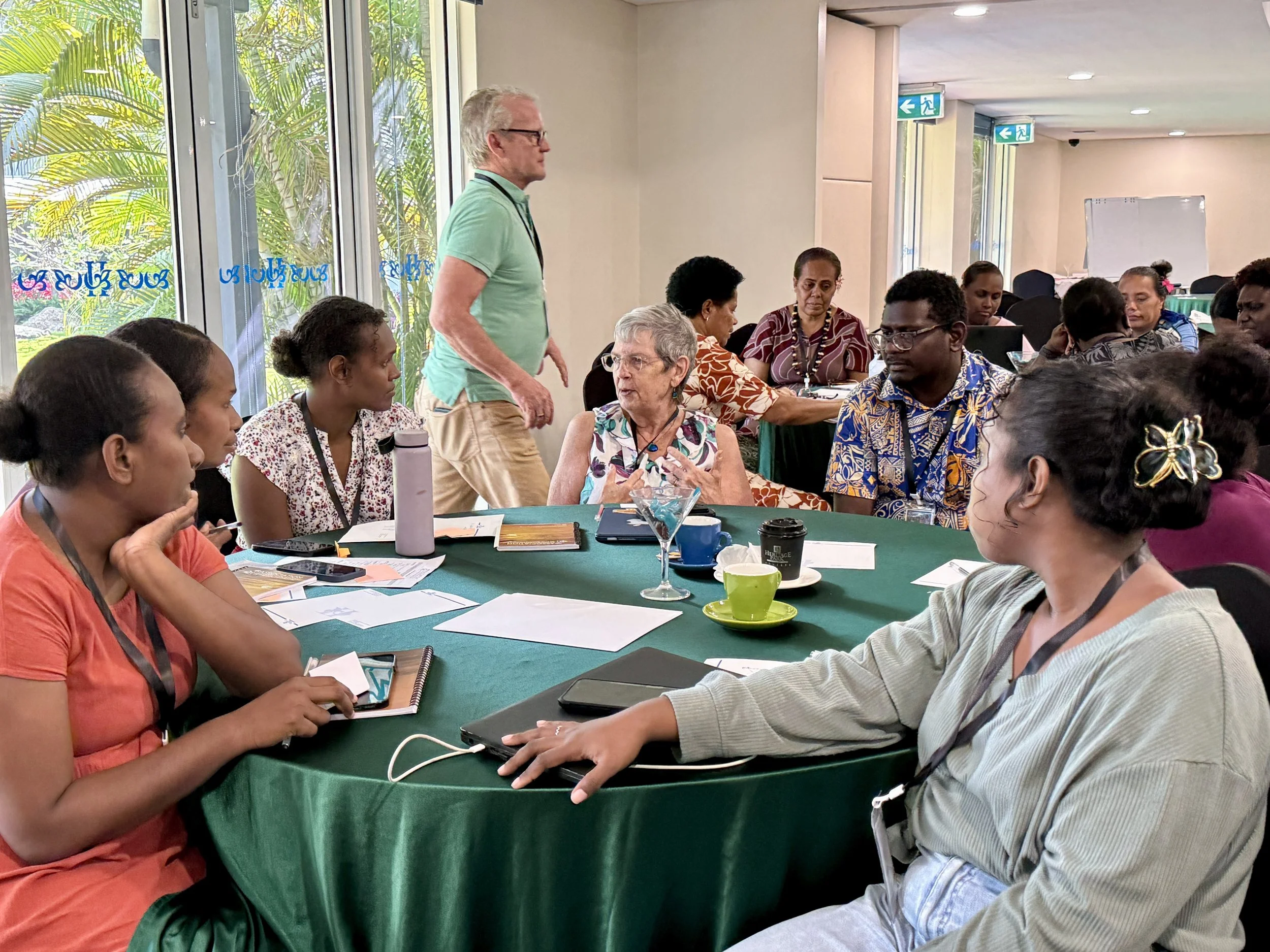
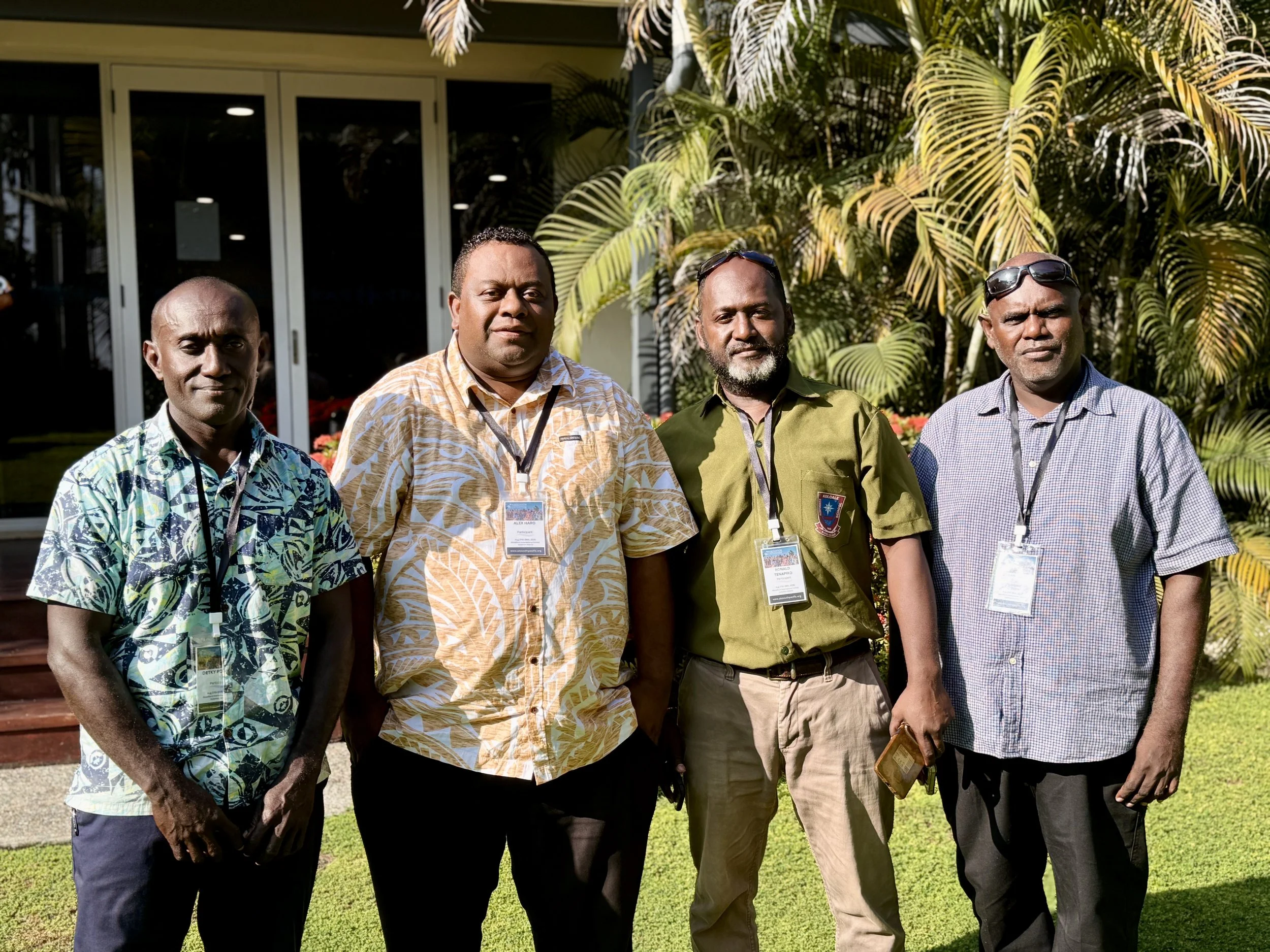
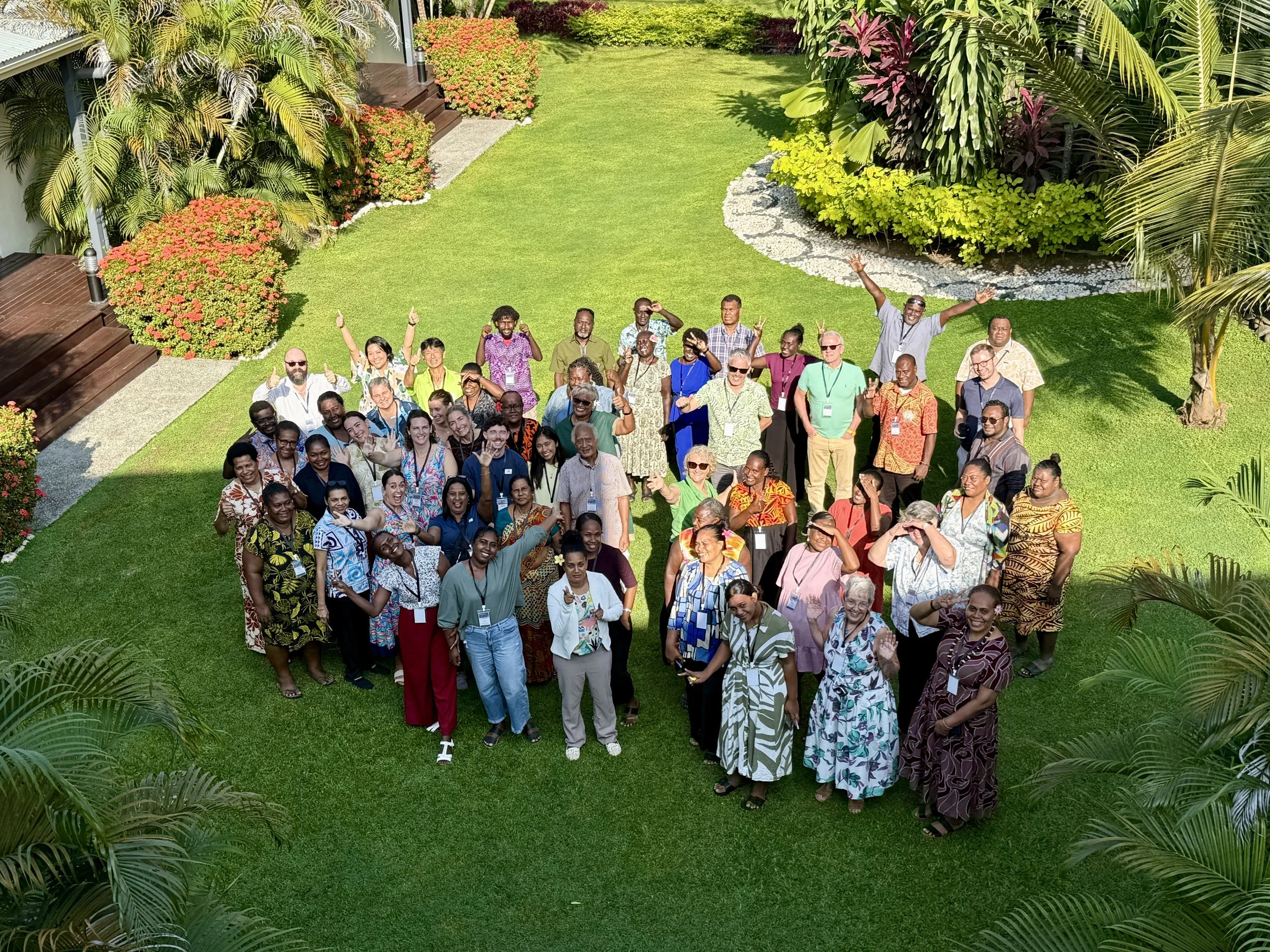
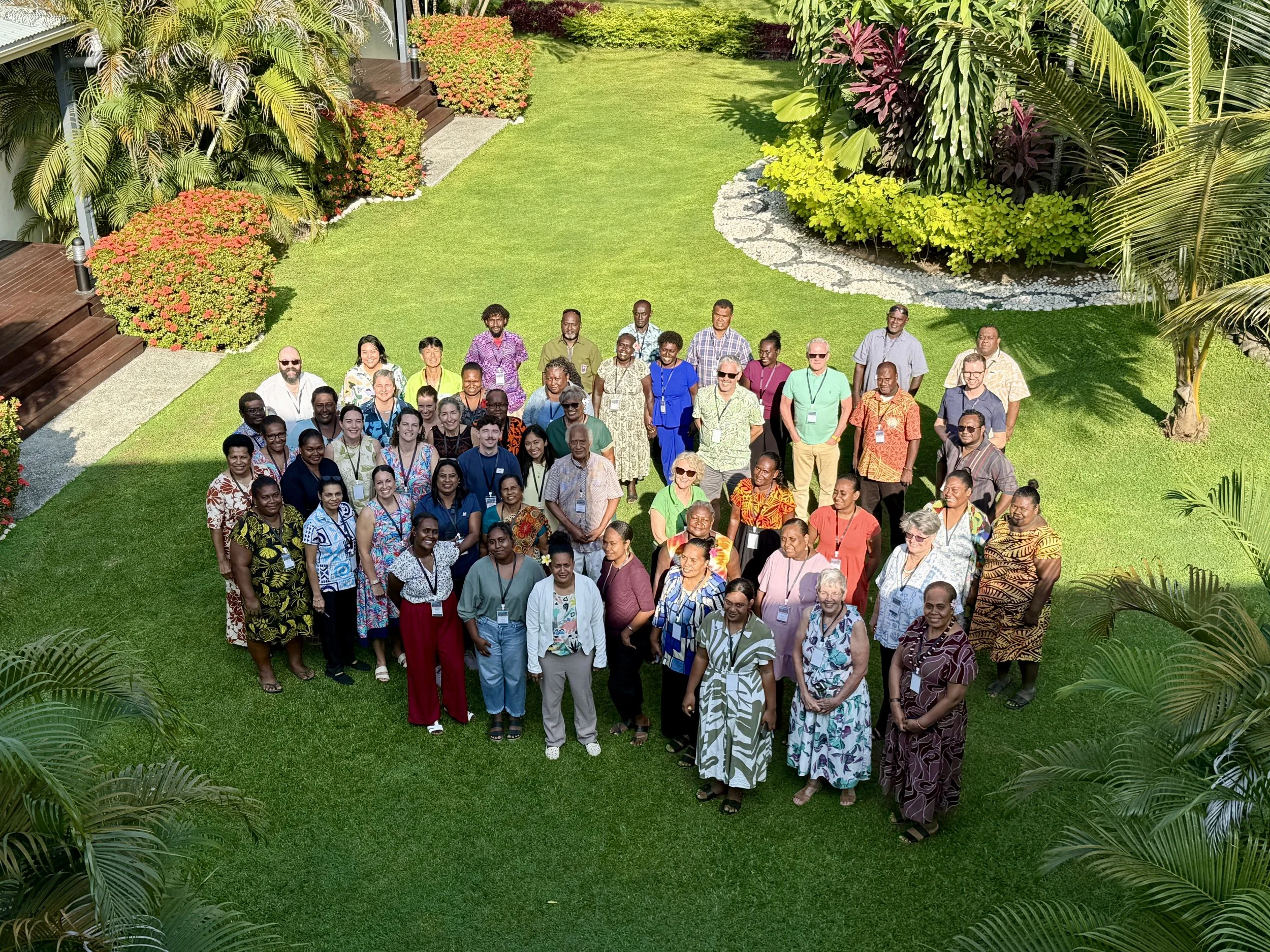
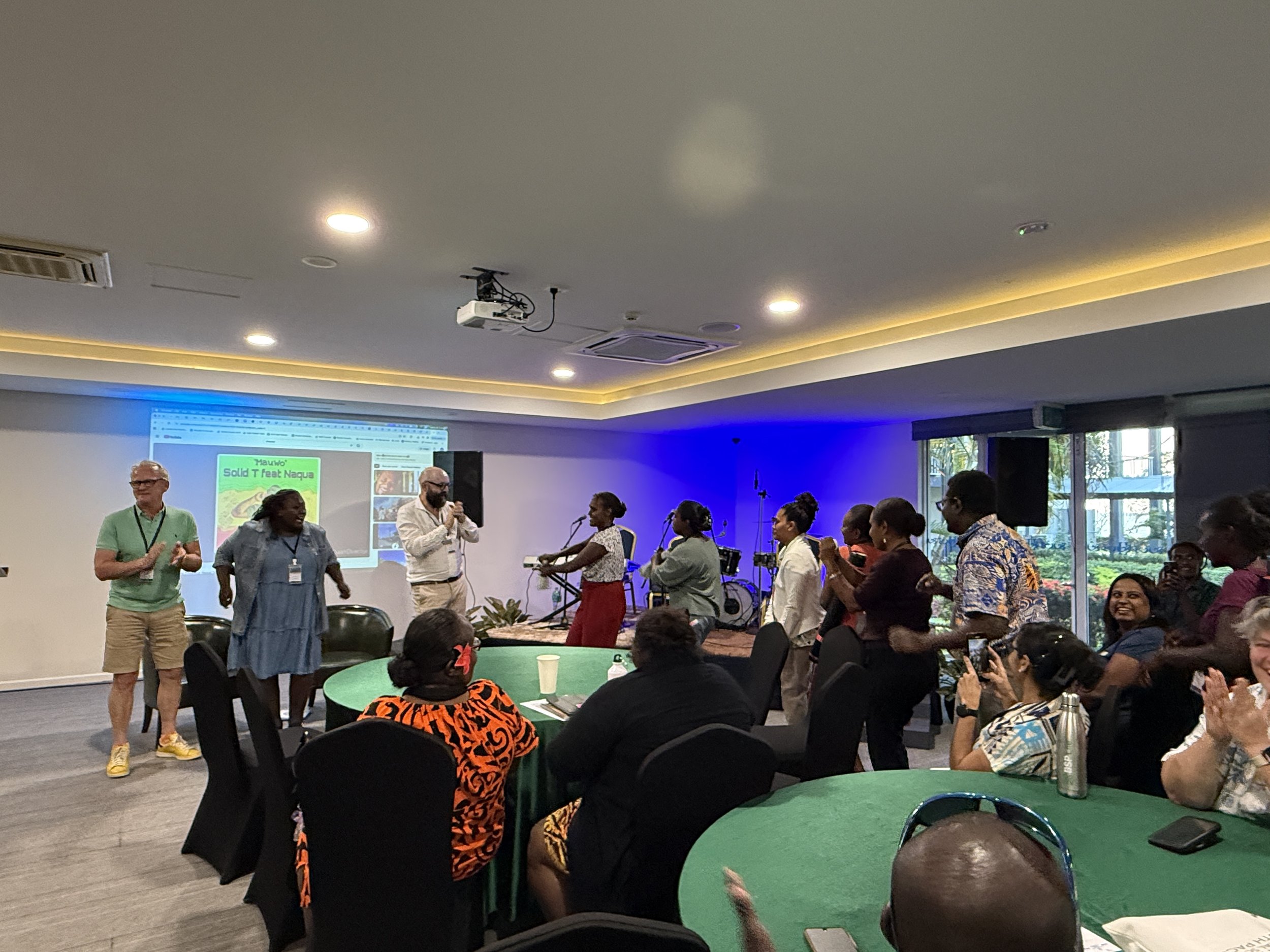
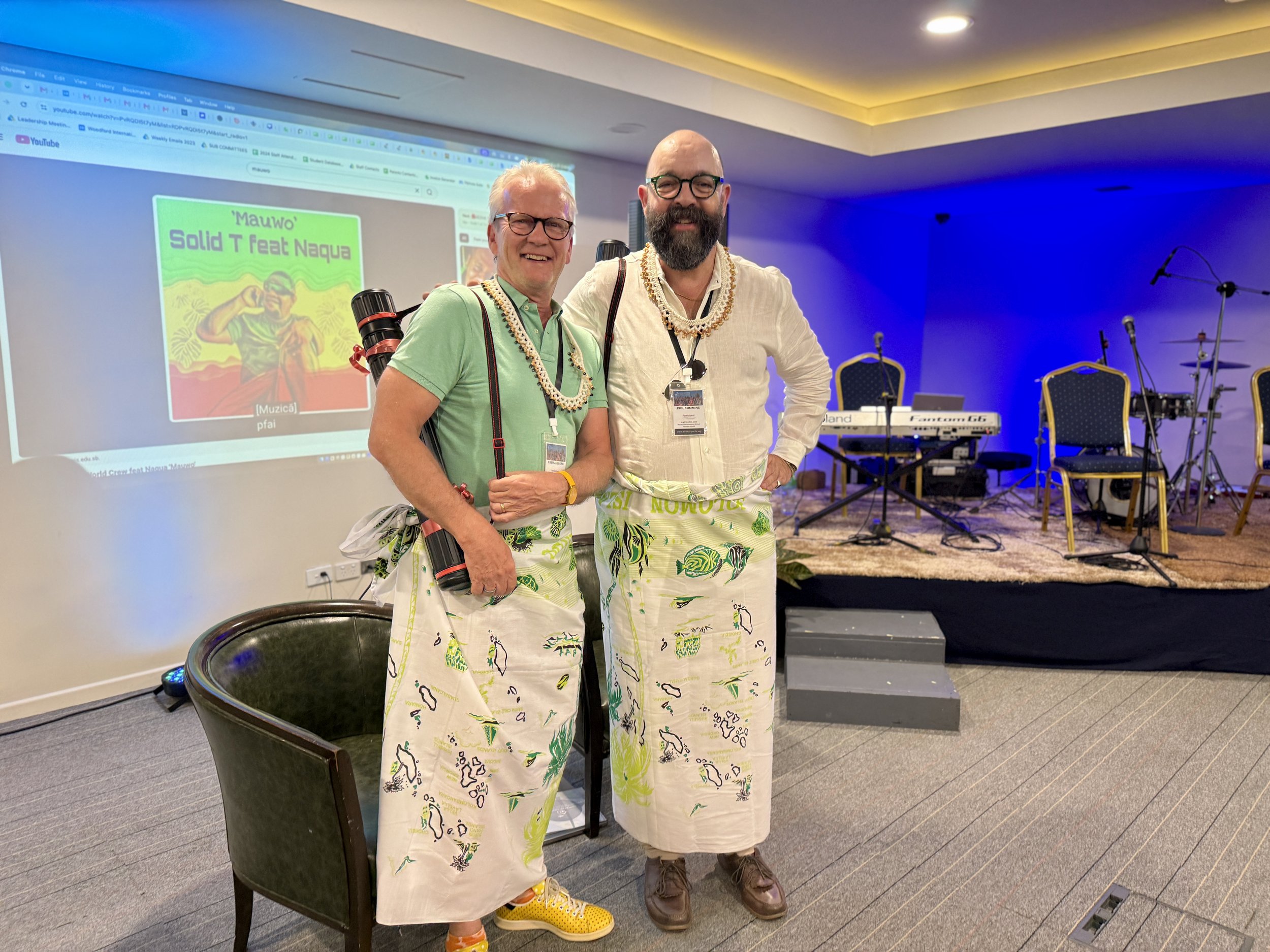
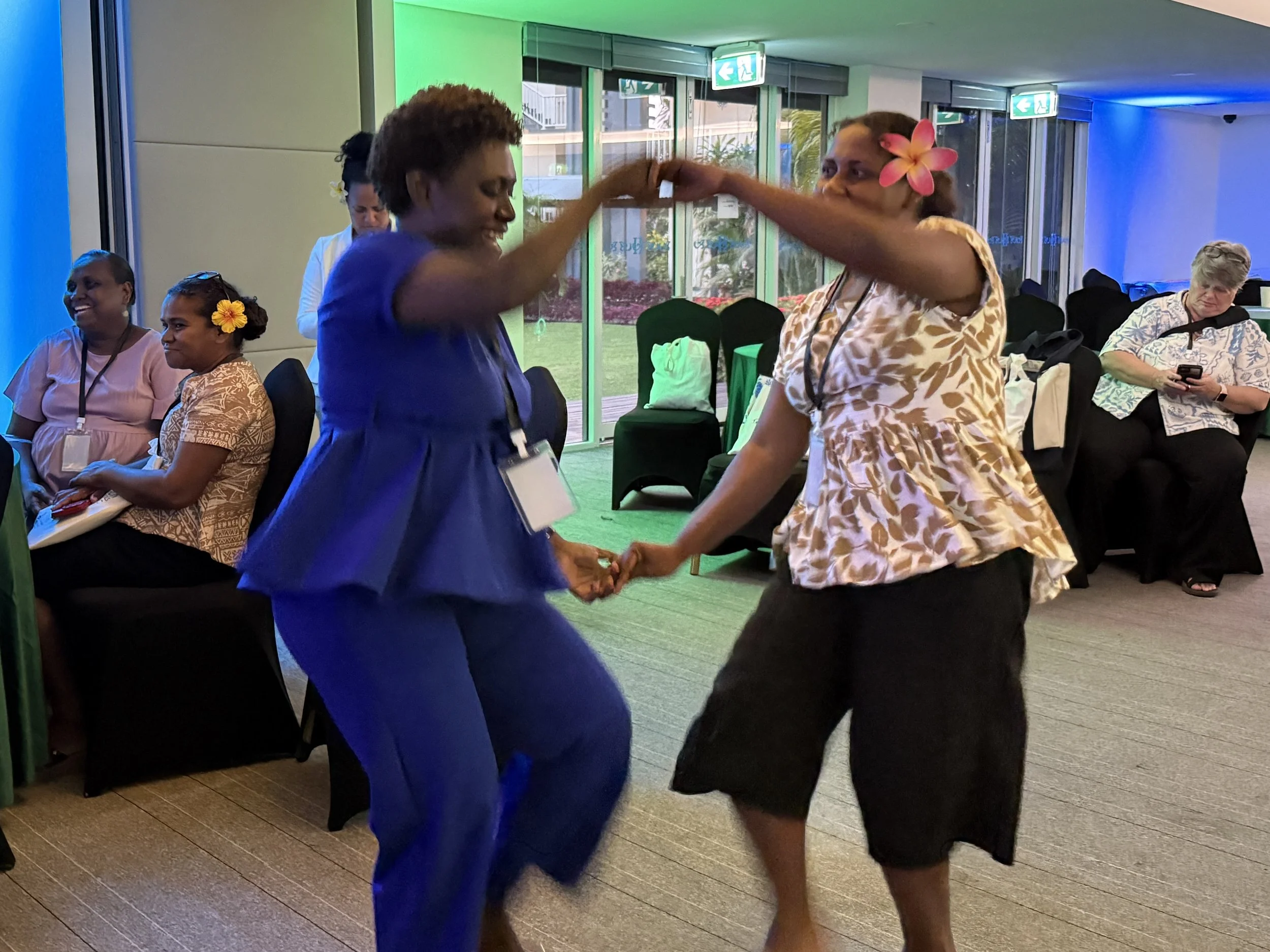
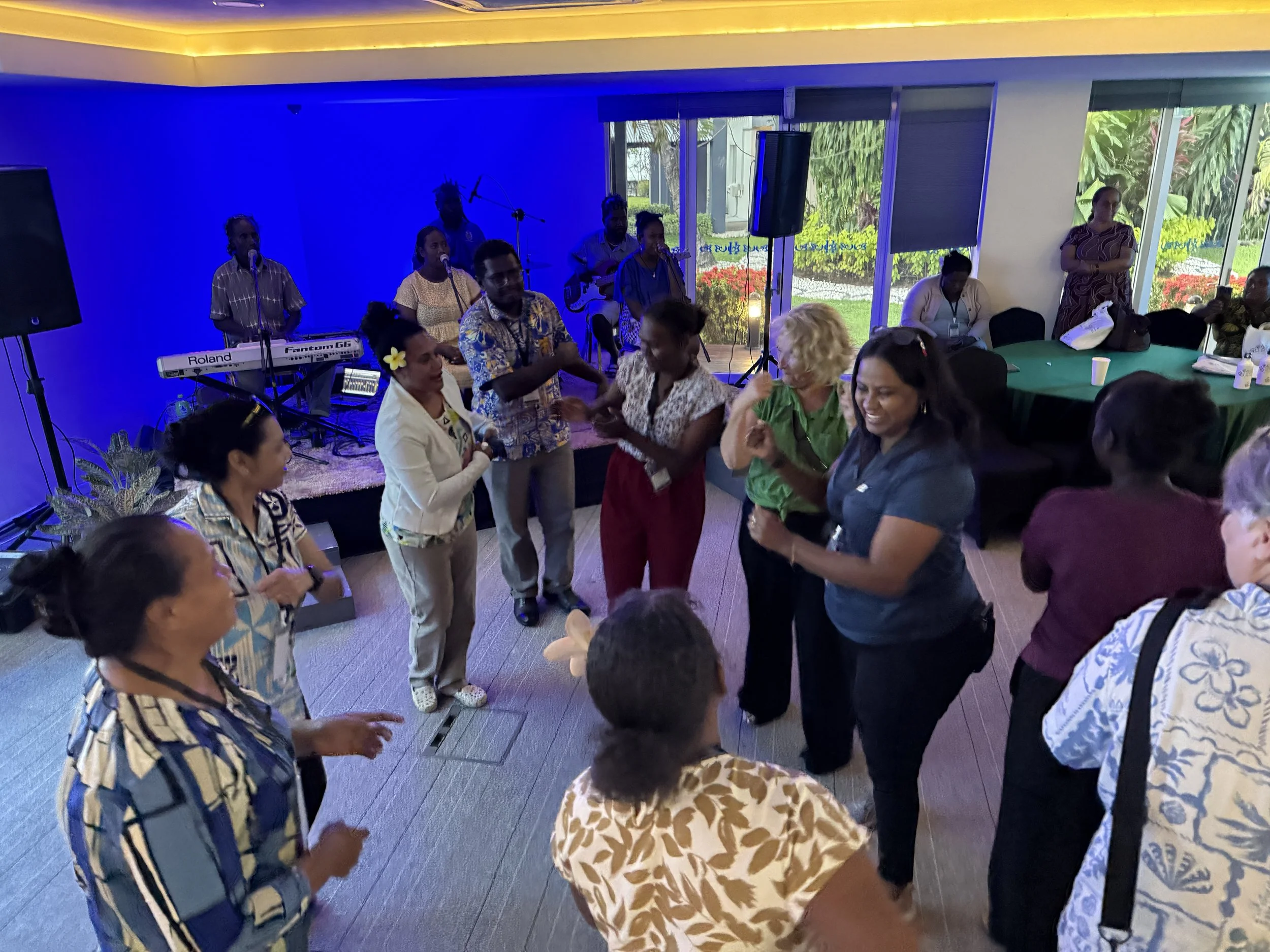
2026 Photos